

Catalina Macaw
Ara ararauna × Ara macao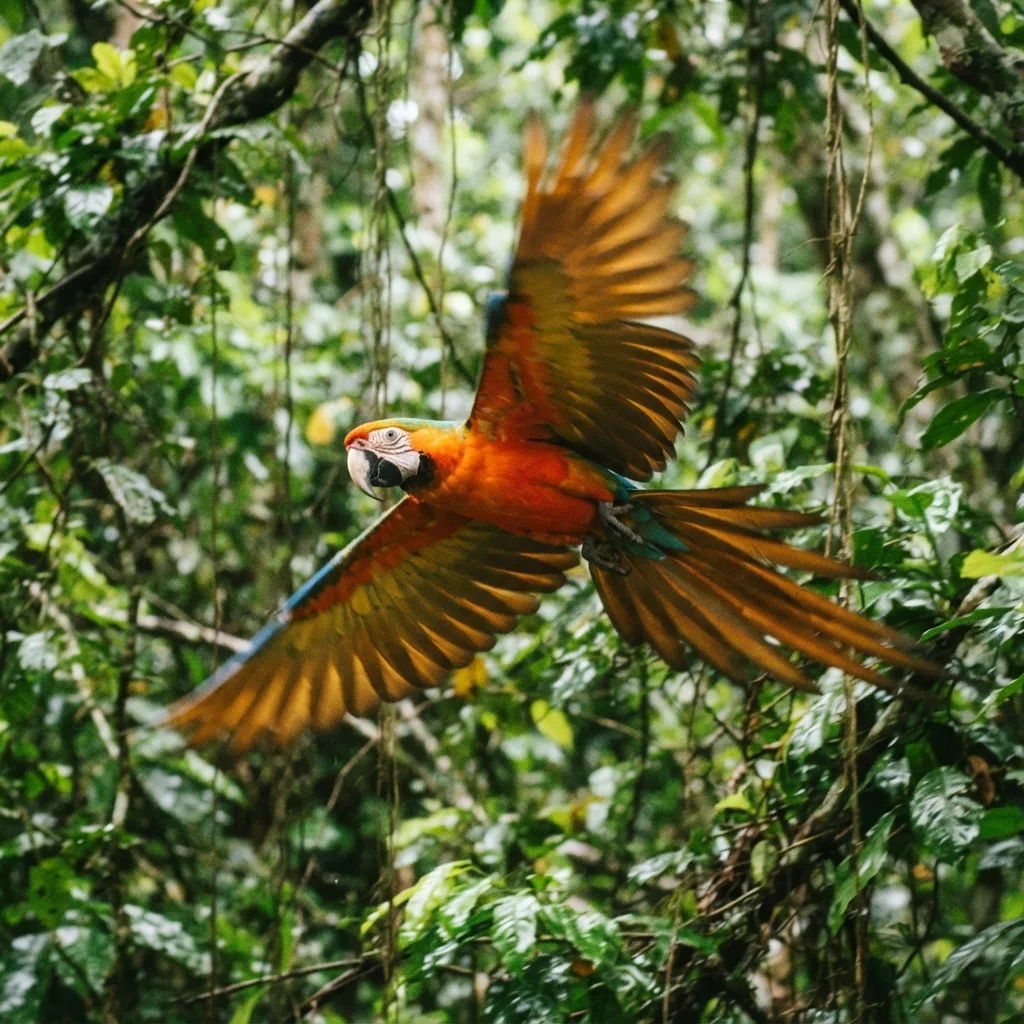
Parrots & cockatoos
First breeding in cages in 1940 in the Catalina bird park
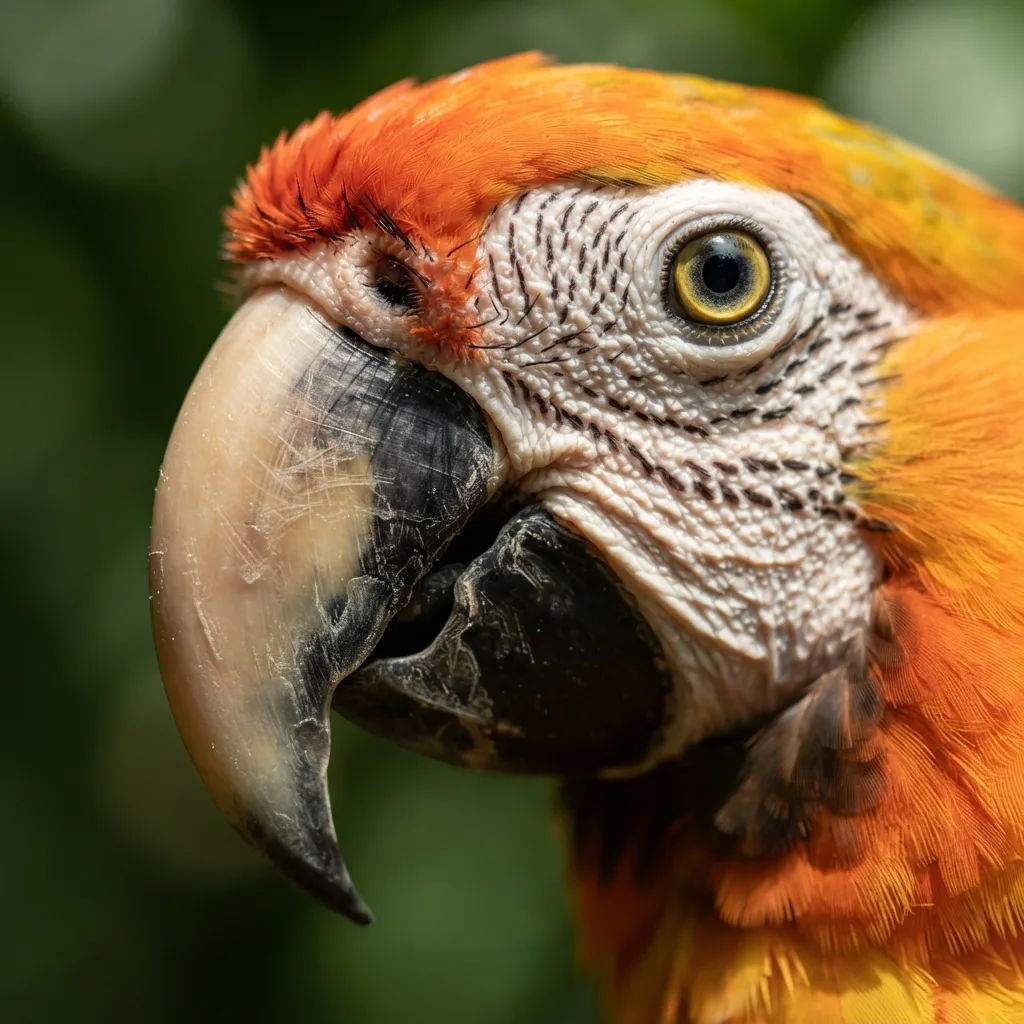
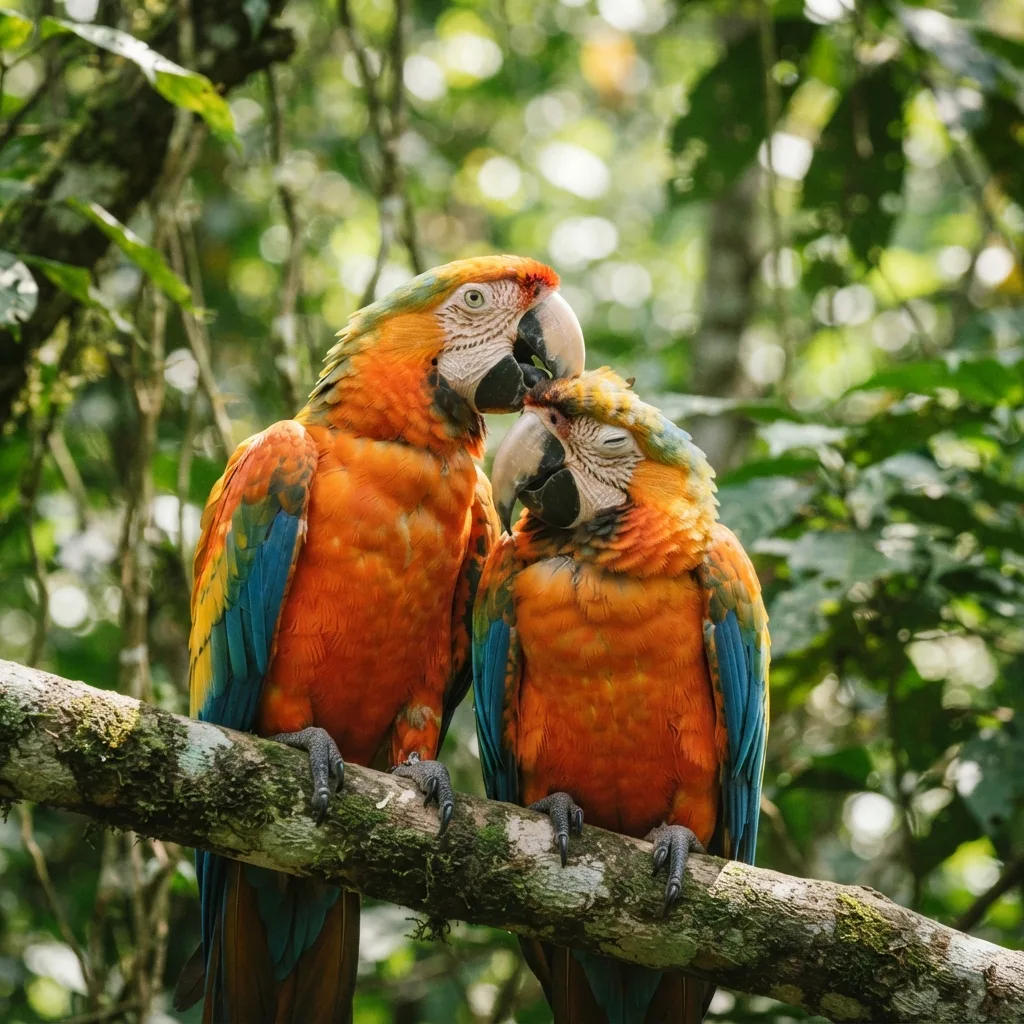
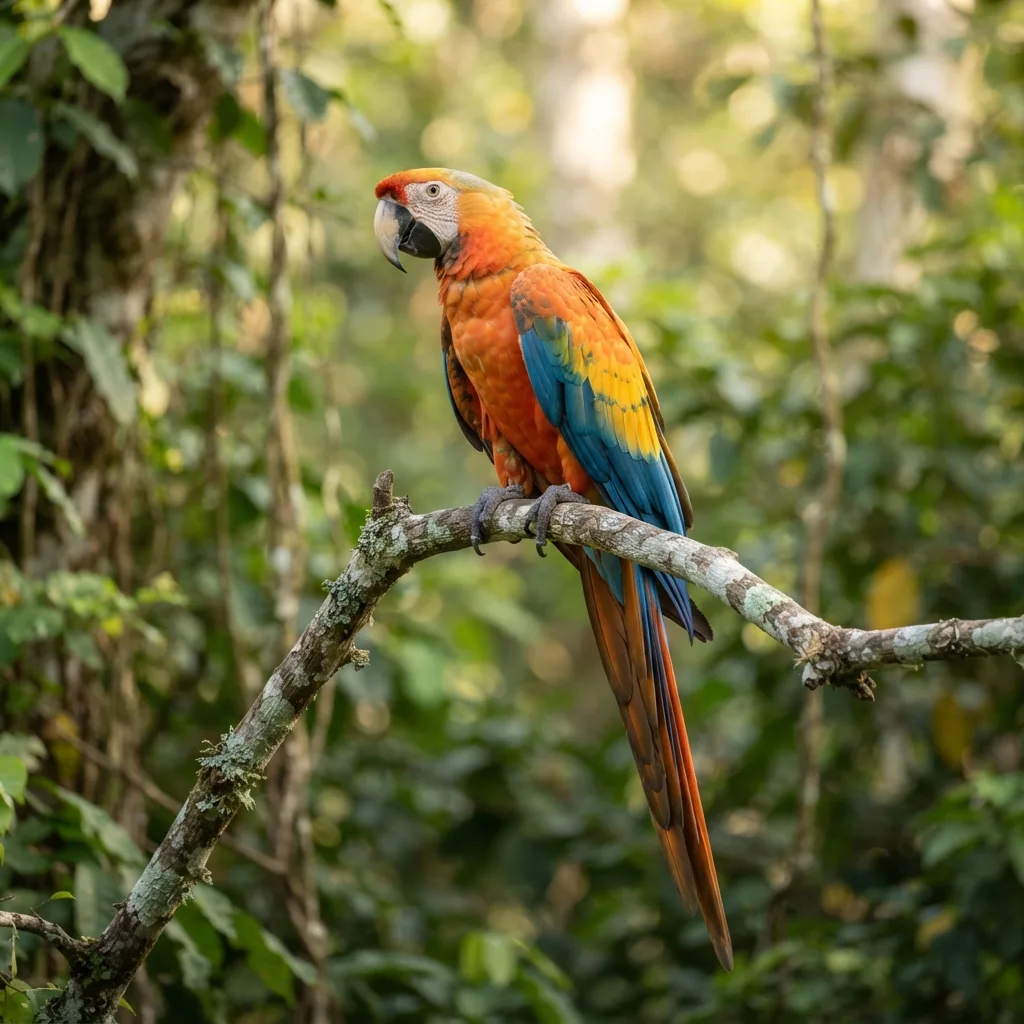
The Catalina macaw is a popular first-generation hybrid parrot created by crossbreeding a blue-and-gold macaw (Ara ararauna) and a scarlet macaw (Ara macao).
Because they are hybrid birds, they do not possess a true scientific name and are taxonomically designated as Ara ararauna × Ara macao. They were first bred in captivity in 1940 at the Catalina Bird Park on Santa Catalina Island, California.
Physical Characteristics
- Size and Weight: They measure roughly 32 to 35 inches (81–89 cm) long from the beak to the tip of the tail, with a wingspan of 40 to 45 inches (100–114 cm), and weigh between 2 and 3 pounds (0.9–1.4 kg).
- Plumage: Their chest and abdomen are typically a brilliant orange, yellow, or deep red, heavily influenced by the dominant genes of the scarlet macaw father. Their wings and back display rich blends of blue, green, and gold.
- Lifespan: Under human care, they have a long life expectancy of 50 to 60 years.
Temperament and Behavior
- Personality: Owners often describe them as getting the "best of both worlds" from their parent species—combining the gentle, laid-back nature of the blue-and-gold with the inquisitive, energetic, and feisty attitude of the scarlet.
- Social Needs: They are extremely affectionate, intelligent, and social birds that form strong bonds with their human family. They require 2 to 4 hours of out-of-cage interaction and exercise daily to prevent depression or destructive behavior.
- Vocalizations: They can learn a vocabulary of around 15 words or phrases. However, they are naturally loud and can produce screams reaching 100 to 106 decibels when excited or seeking attention, meaning they are generally unsuited for apartment living.
Care and Diet
- Housing: They need a very large, sturdy cage (at least 4 feet wide and 5 feet high) with thick bars capable of withstanding a powerful beak.
- Diet: A proper diet consists of a high-quality pellet and seed mix supplemented daily with fresh bird-safe fruits and vegetables (such as apples, bananas, berries, carrots, and leafy greens) alongside occasional nuts as treats. Avocado is strictly toxic and should never be fed to them.
- Group
- Parrots & cockatoos