

Domestic Turkey
Meleagris gallopavo domesticus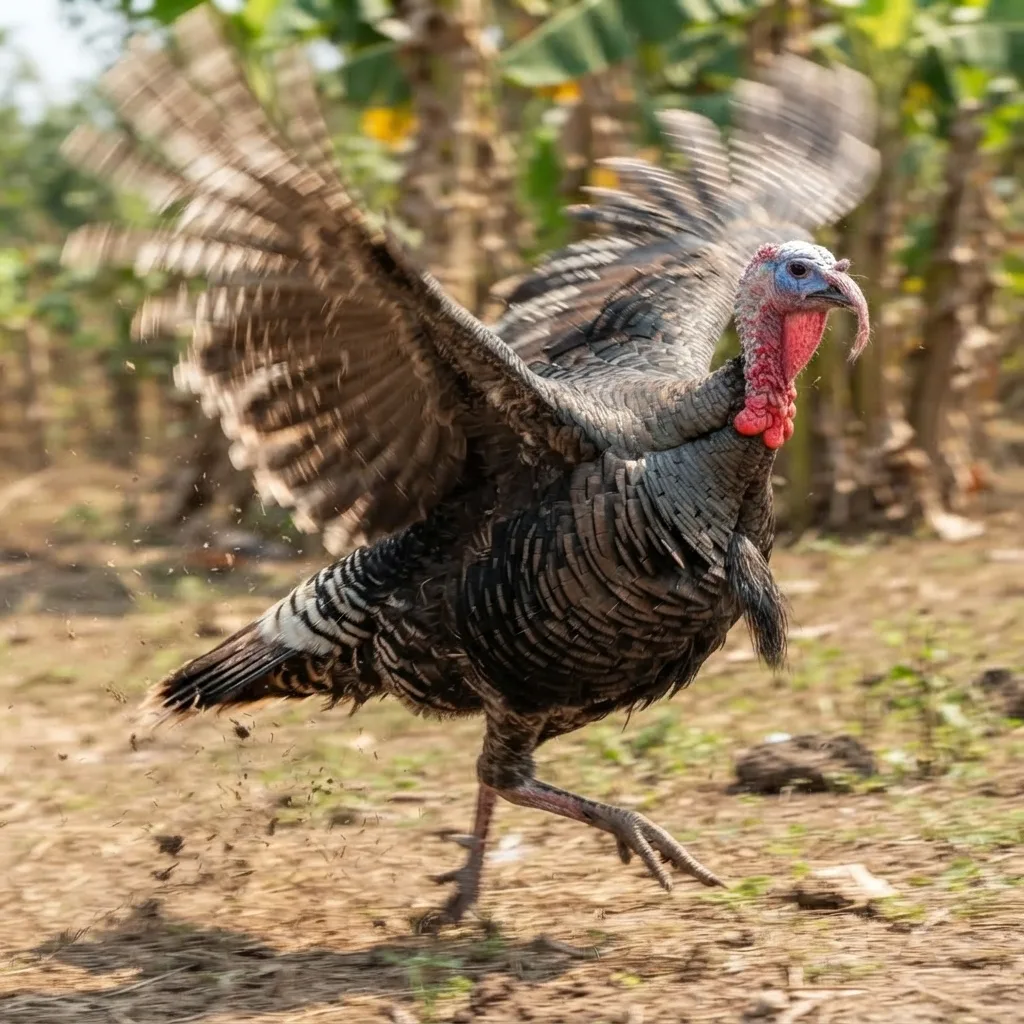
Other birds
A large domestic bird native to wild boar
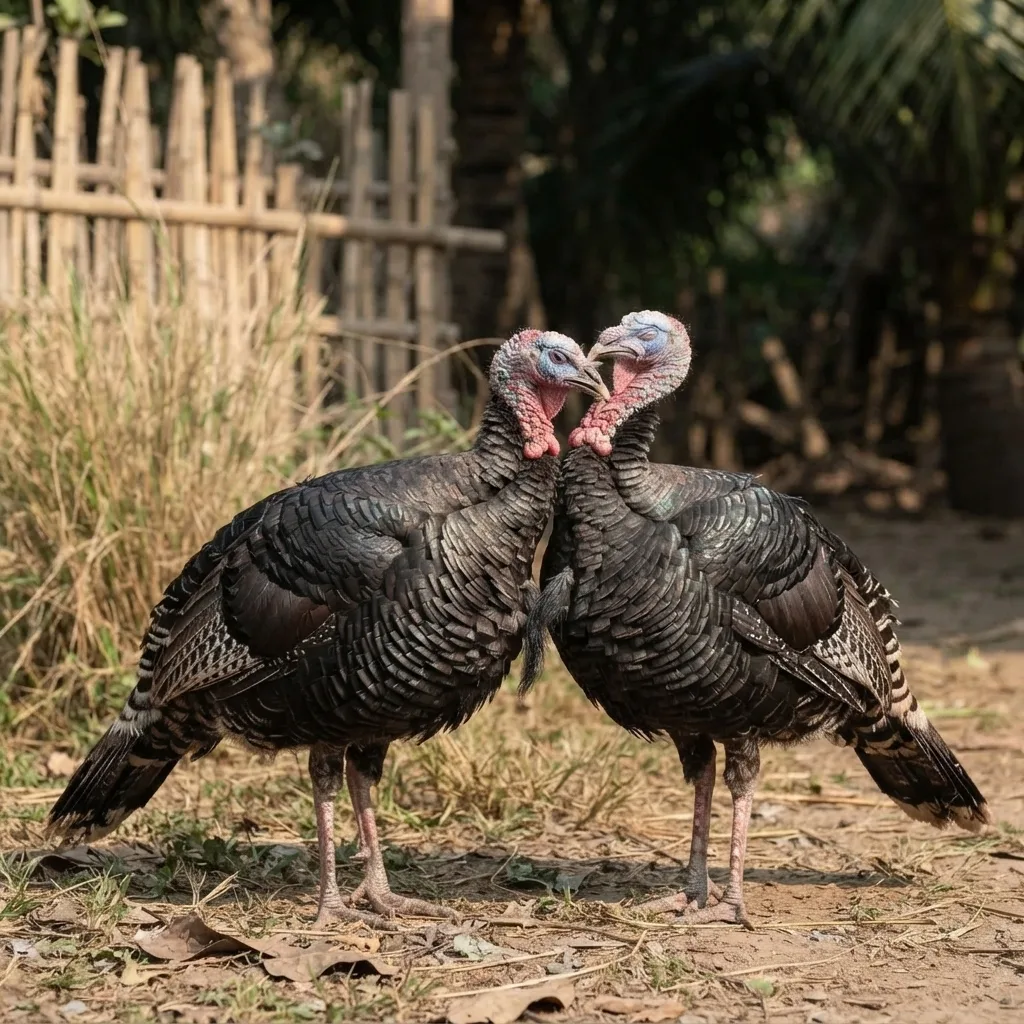
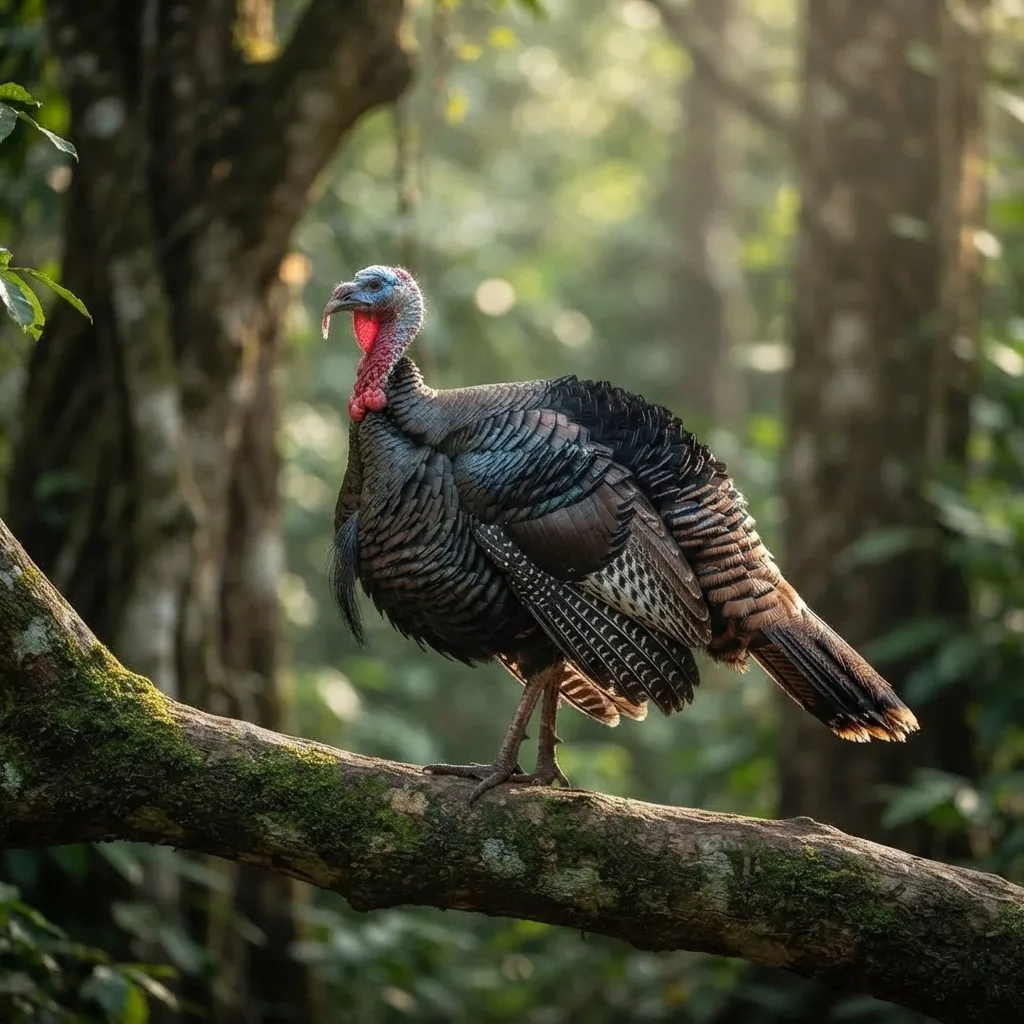
The domestic turkey (Meleagris gallopavo domesticus) is a large poultry fowl descended from the wild turkey first domesticated by indigenous peoples in central Mesoamerica over 2,000 years ago.
Physical Characteristics and Anatomy
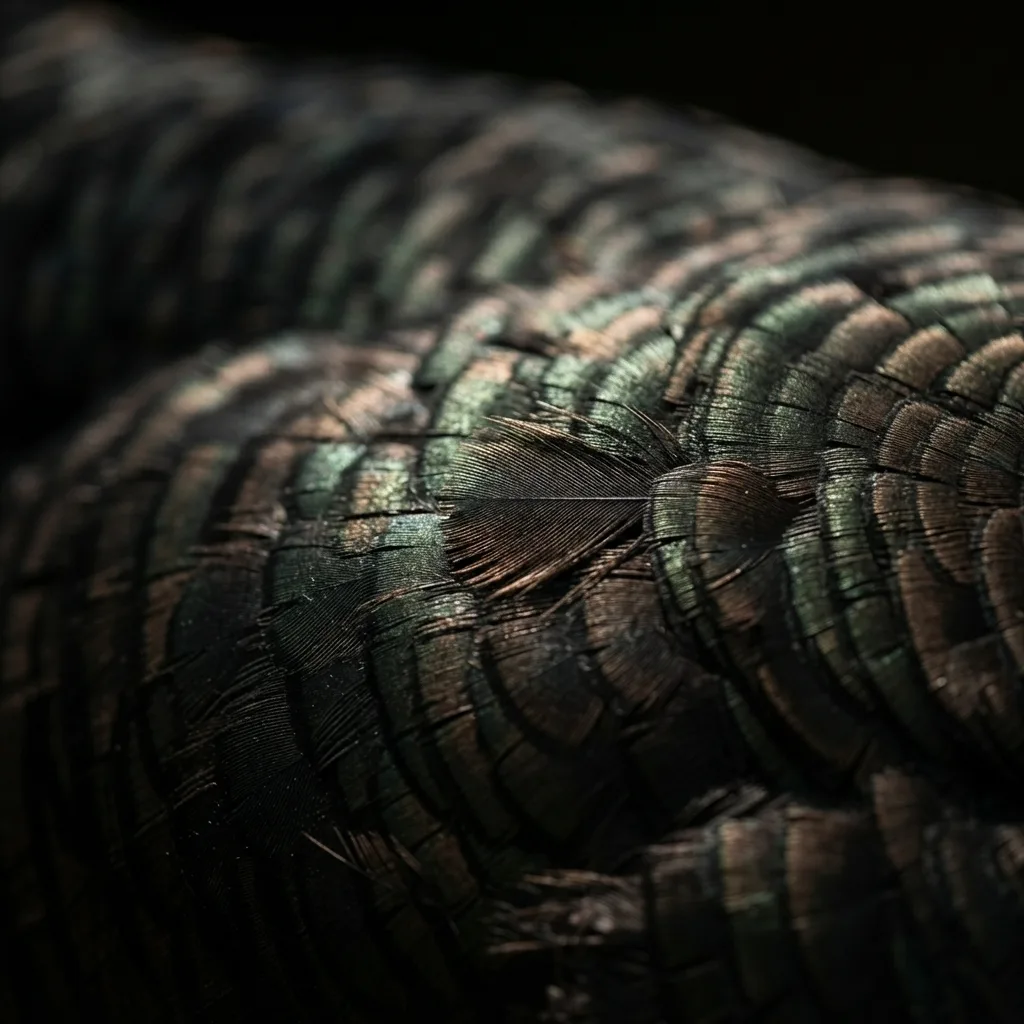
- Plumage: Most commercial birds feature white feathers so pin feathers do not show on the dressed carcass, while heritage breeds display bronze, black, or reddish hues.
- Snood: A fleshy protuberance atop the beak that elongates and changes color based on emotional state or courtship.
- Wattle: The loose, fleshy lobe attached under the underside of the beak that shifts colors with blood flow when the bird is excited or stressed.
- Size and Flight: Domestic turkeys are among the largest flying-capable ancestors turned semi-flightless or terrestrial, with heavy commercial toms weighing up to 39 kg (86 lbs).
History and Domestication
- Mesoamerican Origins: First tamed in central and northern Mexico and the American Southwest between 800 BC and AD 500 for meat, eggs, and decorative or ceremonial feathers.
- Introduction to Europe: Spanish conquistadors imported Mexican domestic turkeys to Europe in the 16th century, where diverse breeds developed before being brought back to North America by colonists.
- Industrialization: Modern intensive farming, artificial insemination, and refrigeration in the mid-20th century transformed turkey from an occasional luxury into an inexpensive, globally available meat.
- Group
- Other birds