

Elongated Tortoise
Indotestudo elongata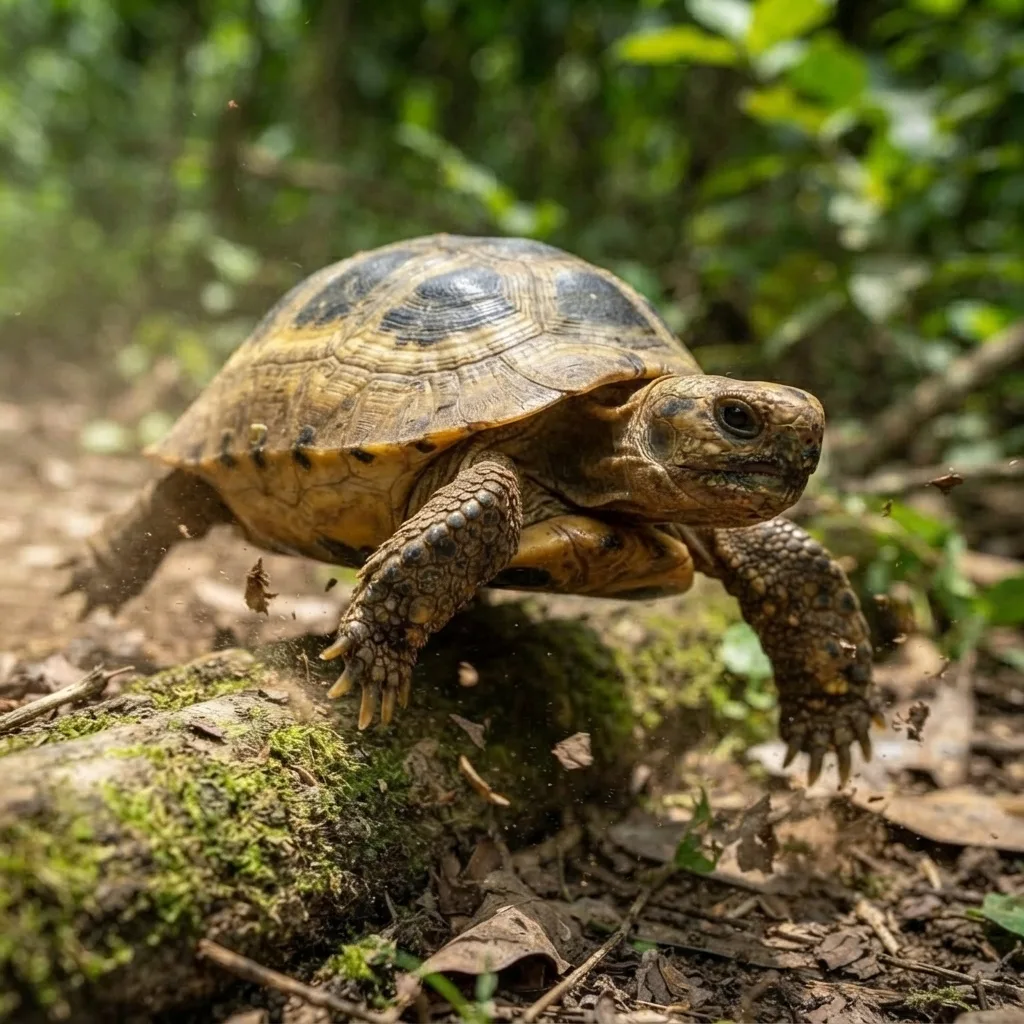

Land turtles, native to Southeast Asia and parts of South Asia
The elongated tortoise (Indotestudo elongata), also known as the yellow-headed tortoise, is a species of land tortoise in the family Testudinidae, native to Southeast Asia and parts of South Asia.
This reptile is well-known for its distinct elongated shape, its ecological role in forest environments, and its critical conservation status.
Key Characteristics
- Size & Weight: Adults typically measure around 30 cm (12 inches) in length and weigh about 3.5 kg (7.7 lbs). Males can reach shell lengths of up to 33 cm, while females are slightly shorter at around 29 cm, though females tend to be wider and more rounded.
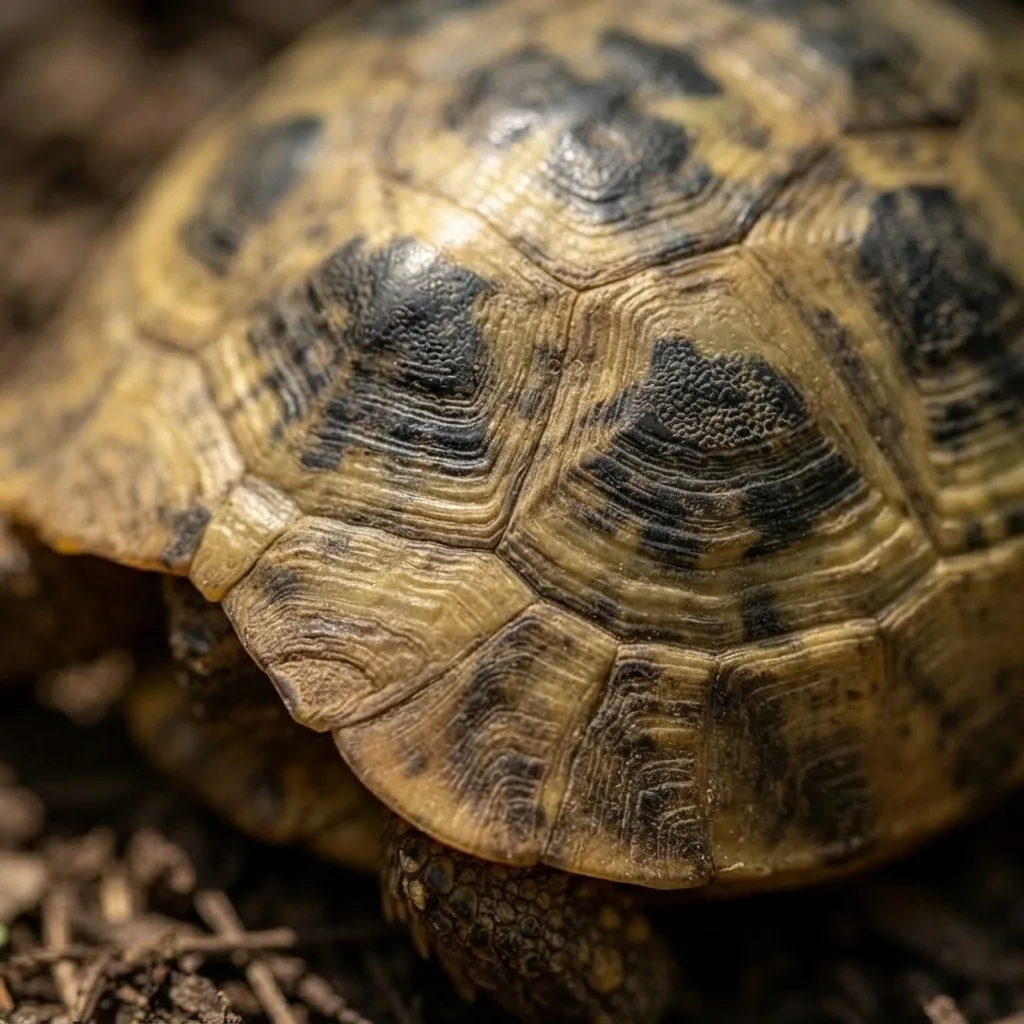
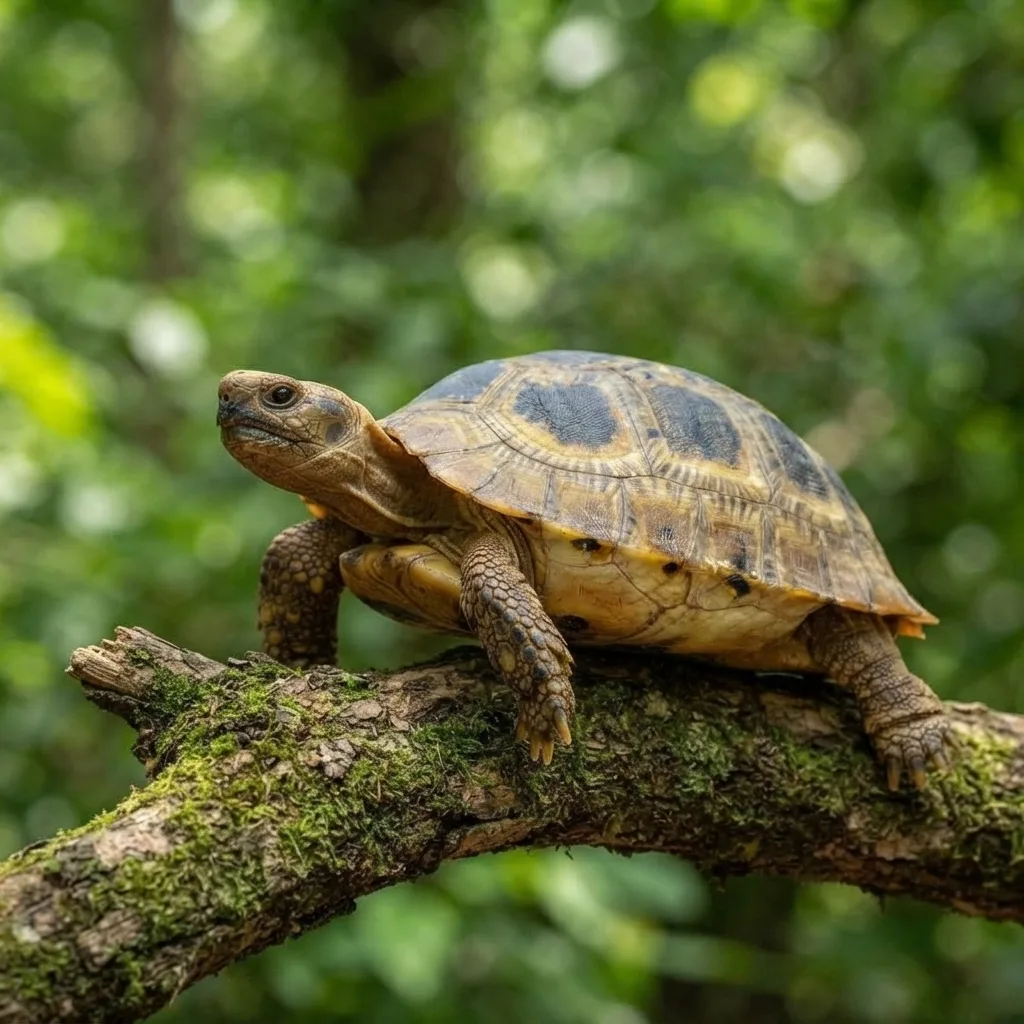
- Appearance: It features a notably elongated shell that is somewhat flattened on top. Its coloration ranges from olive to yellowish-brown, accented by dark black blotches that provide camouflage against forest leaf litter. Its head has a distinct pale yellow coloration.
- Sexual Dimorphism: Males feature a concave plastron (the underside of the shell) to aid in mating, along with a much larger tail. Females have a flat plastron and longer, more curved hind claws designed for digging nests.
Distribution & Habitat
This species is found in forest ecosystems across Nepal, India, Bangladesh, Myanmar, Laos, Thailand, Cambodia, Vietnam, Malaysia, and Southern China. They play a vital ecological role as seed dispersers by consuming various fallen fruits and wild plants.
Conservation Status
The elongated tortoise is currently classified as Critically Endangered (CR) on the IUCN Red List. Its wild populations face severe threats from habitat loss, illegal poaching for the pet and food trades, and the collection of shells for decorative purposes. In captivity, with proper specialized care, these tortoises can live between 50 and 60 years or more.
- Group
- Reptiles