

Smooth Coated Otter
Lutrogale perspicillata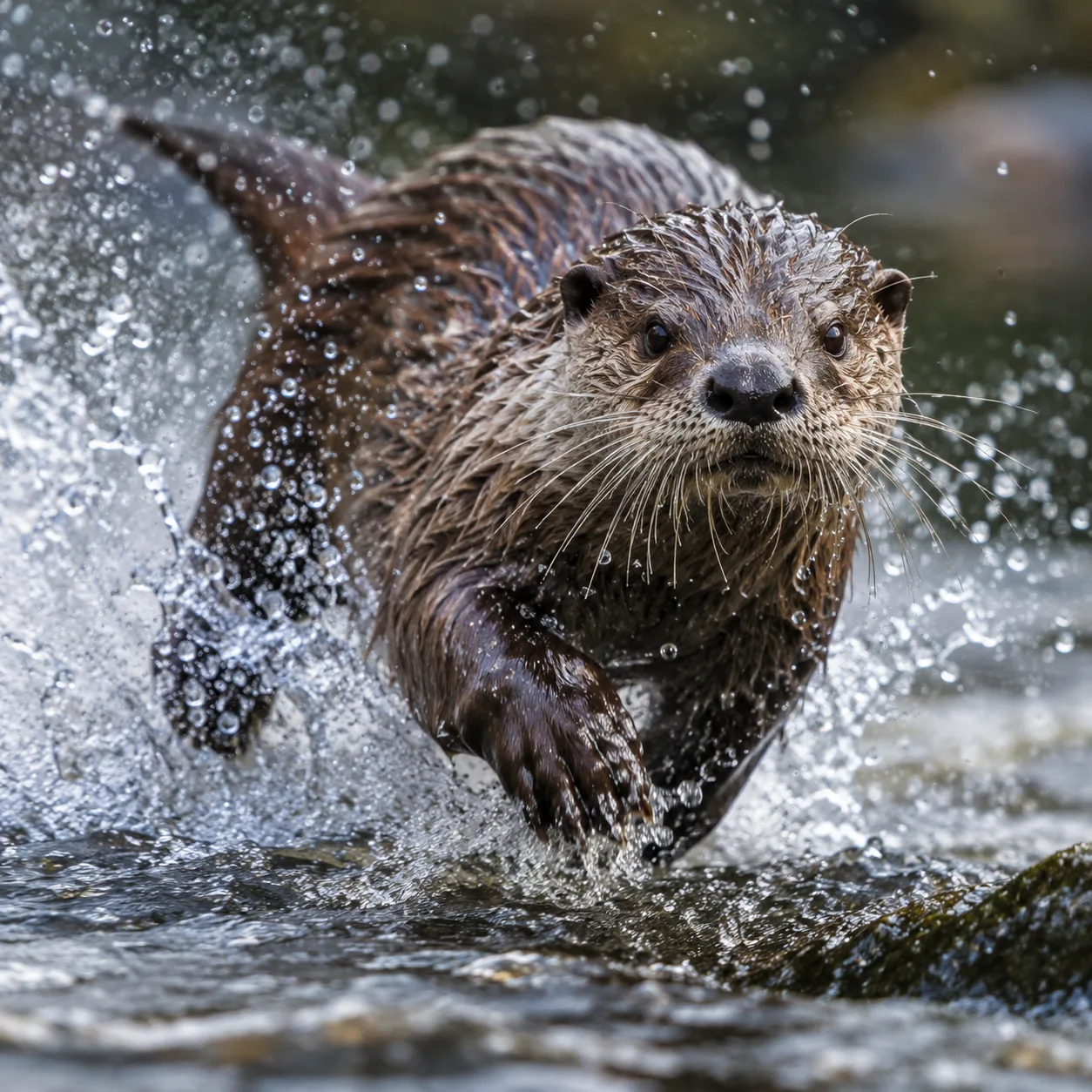
Playful, semi-aquatic mammals found worldwide.
The smooth-coated otter (Lutrogale perspicillata) is a freshwater species of otter native to South and Southeast Asia, with a famously isolated, disjunct population residing in the marshes of Iraq. As the largest otter species in Southeast Asia, it is highly recognized for its sleek, velvety fur, complex social structures, and remarkable group-hunting strategies.
Physical Characteristics
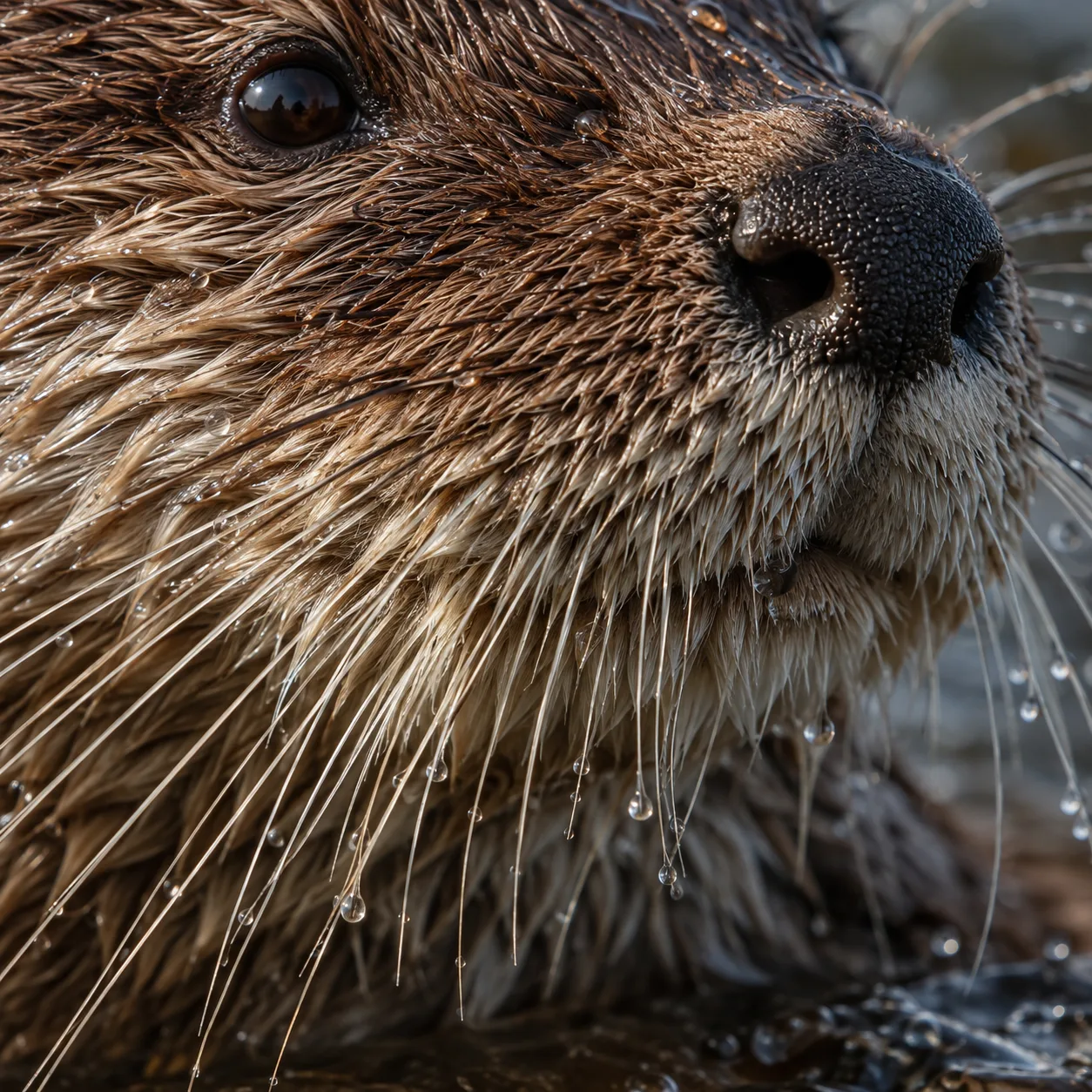
- The Coat: True to its name, its fur is shorter, smoother, and sleeker than that of other otters. It ranges from a rich dark-brown to reddish-brown on its back, blending into a light gray or beige underside.
- Distinct Features: It possesses a noticeably rounded head, a hairless nose shaped like a distorted diamond or an upside-down "V," and large, heavily webbed feet with sharp claws. Unlike the cylindrical tails of many other species, its tail is distinctly flattened to act as a powerful rudder.
- Size: Adults are relatively large, weighing between 7 to 11 kg (15 to 24 lbs) and reaching lengths of up to 1.3 meters (4.3 feet) from head to tail.
Behavior and Diet
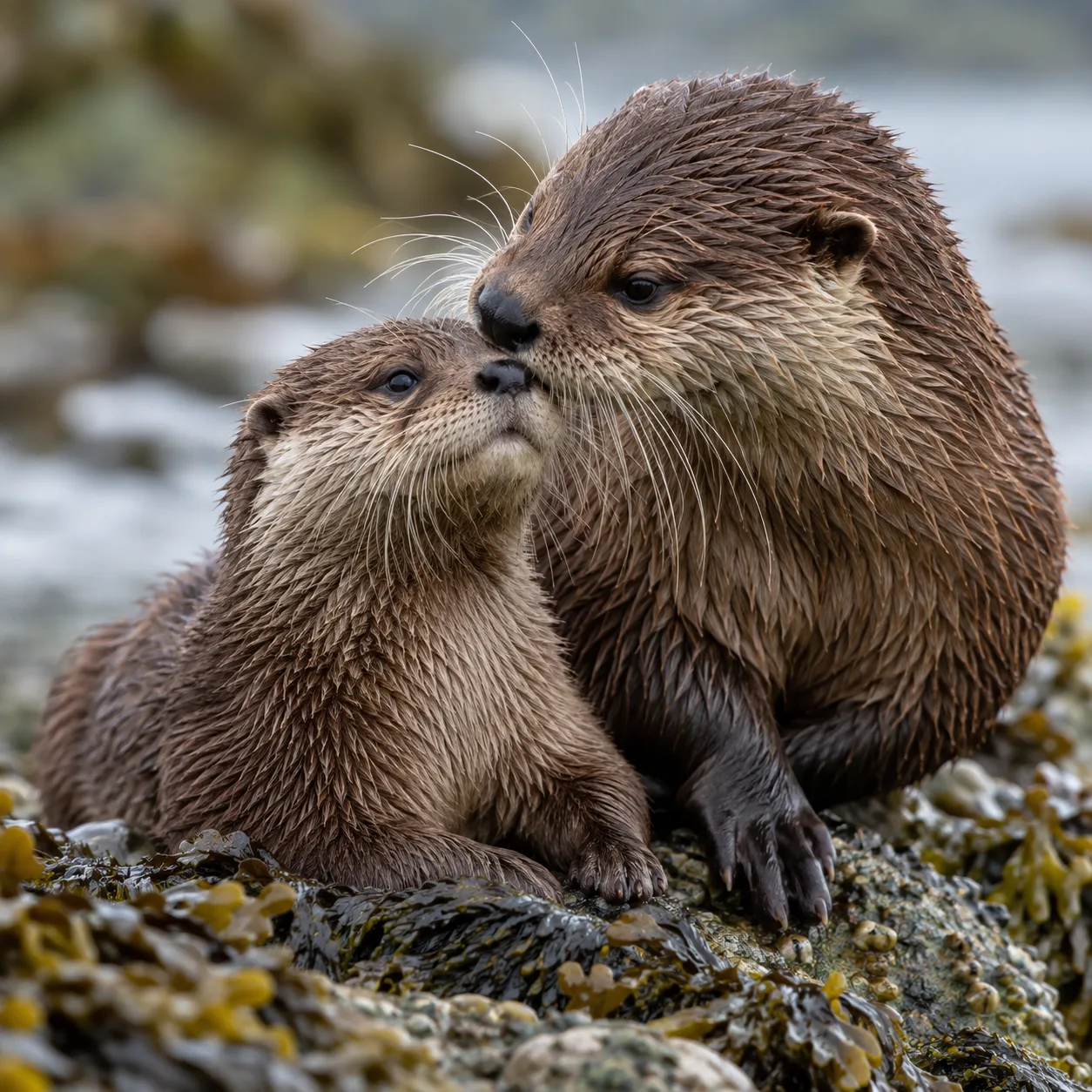
Smooth-coated otters are unusually social compared to most other solitary otter species. They live in tight-knit family groups (often called a "romp" or "raft") of up to 10 to 25 individuals, usually led by a dominant breeding female. They communicate constantly using an array of distinct vocalizations like chirps, whistles, and bird-like squeaks.
When hunting, they coordinate in a striking V-formation to herd fish upstream. While they are dominant piscivores (fish-eaters), they also opportunistically hunt frogs, crustaceans, insects, water rats, and small birds. They are primarily nocturnal or crepuscular, though they easily adapt to diurnal (daytime) activity in areas where they are left undisturbed by humans.
Conservation Status
The smooth-coated otter is classified as Vulnerable on the IUCN Red List. Their populations are declining sharply due to:
- Habitat Destruction: Reclamation and degradation of wetlands, mangroves, and peatlands.
- Pollution: Heavy agricultural runoff and plastic debris in rivers like the Klang River.
- Illegal Trade: Poaching for their prized velvety pelts and the growing global demand in the illegal exotic pet market.
Organizations like the IUCN SSC Otter Specialist Group work to monitor and protect these highly intelligent semi-aquatic mammals.
- Group
- Small mammals