

Spotted dove
Spilopelia chinensis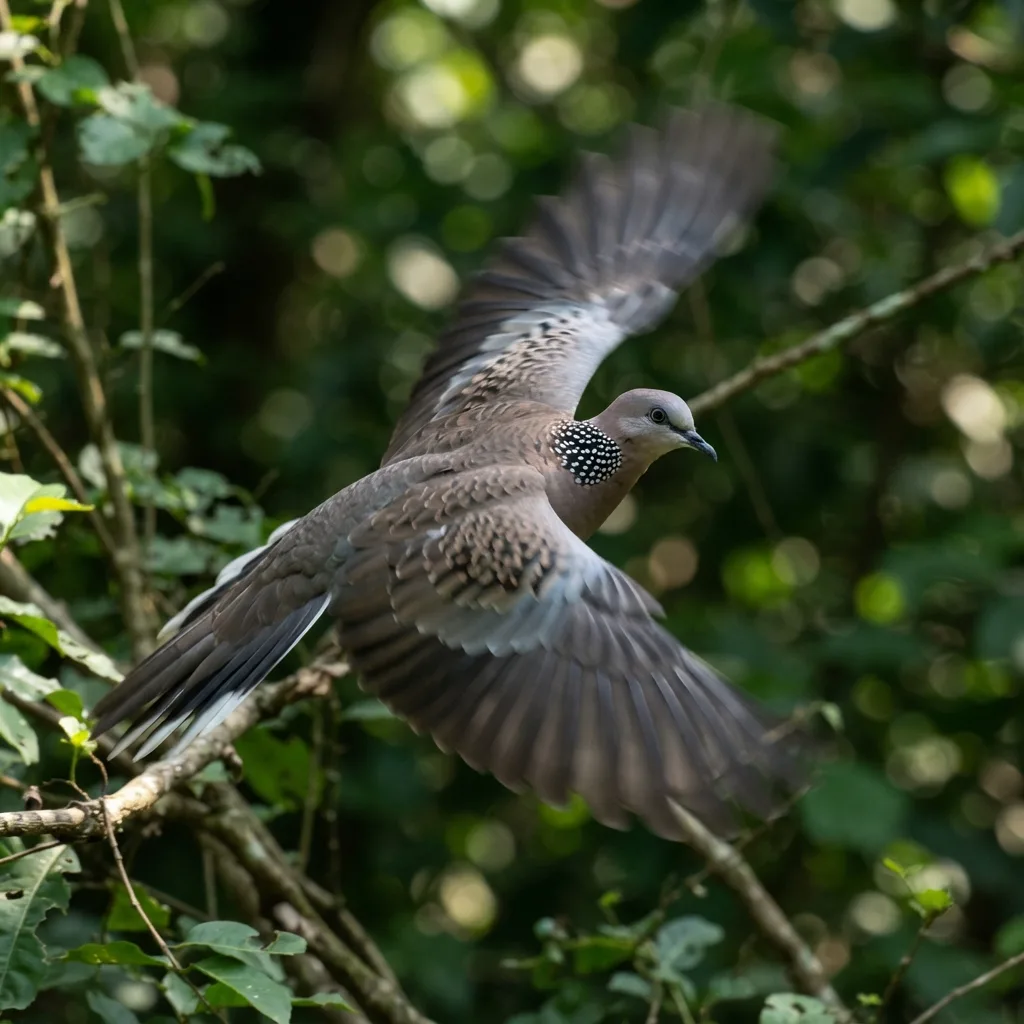
Other birds
small bird of the Lolok and Preab family is abundant and well-known in Cambodia
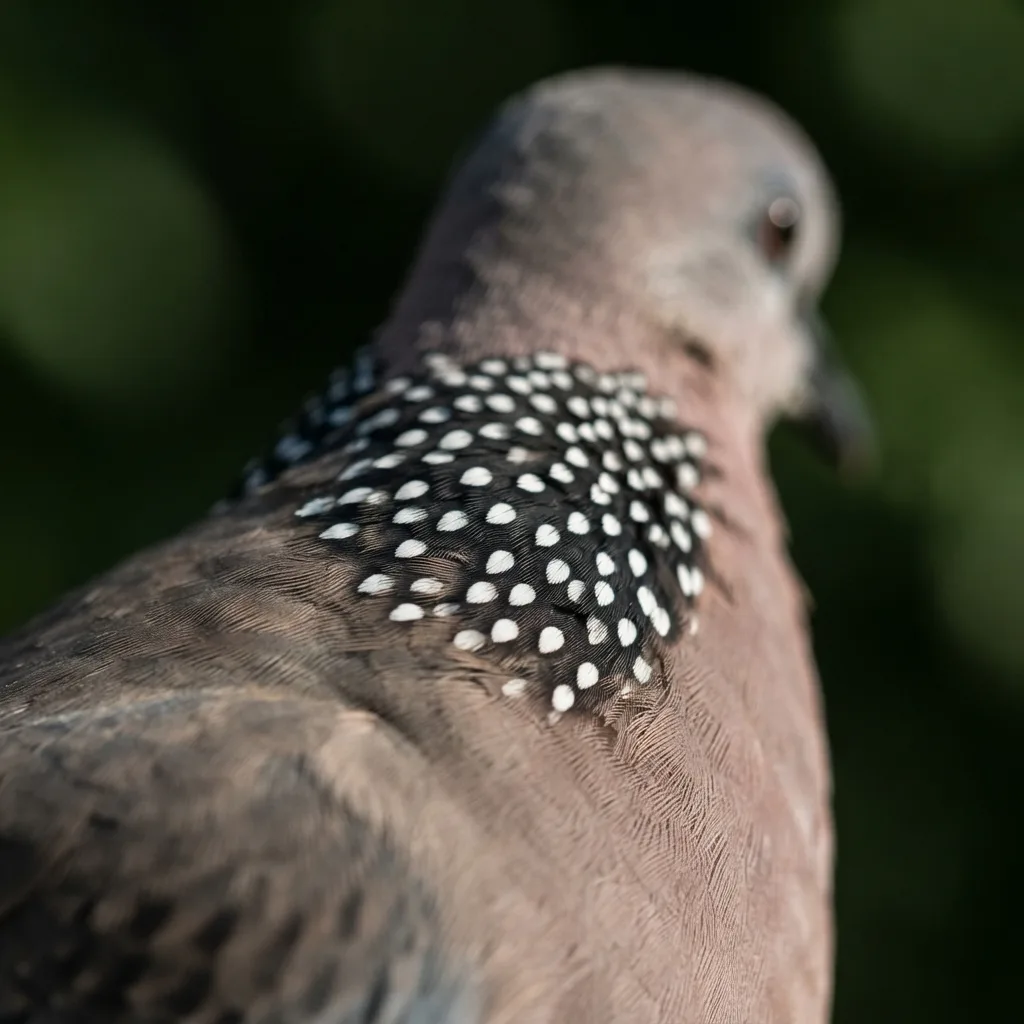
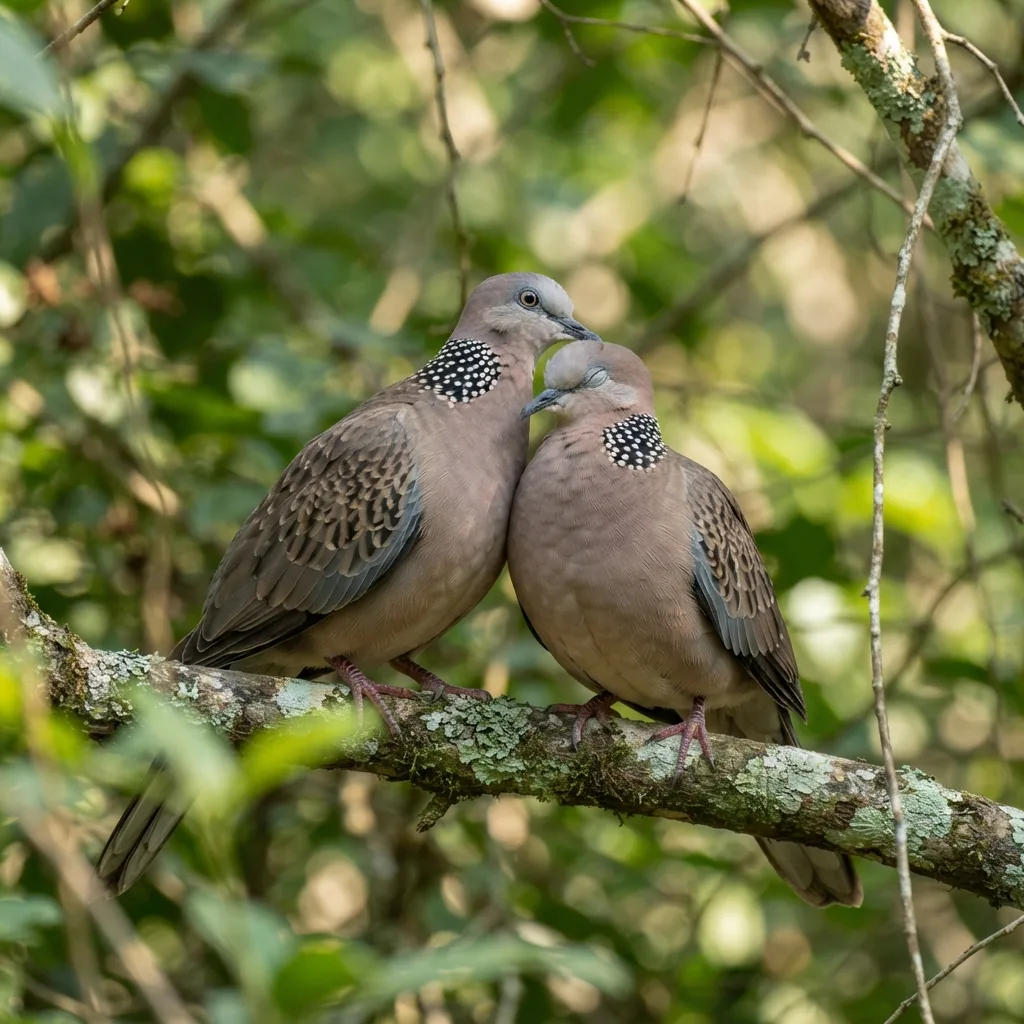
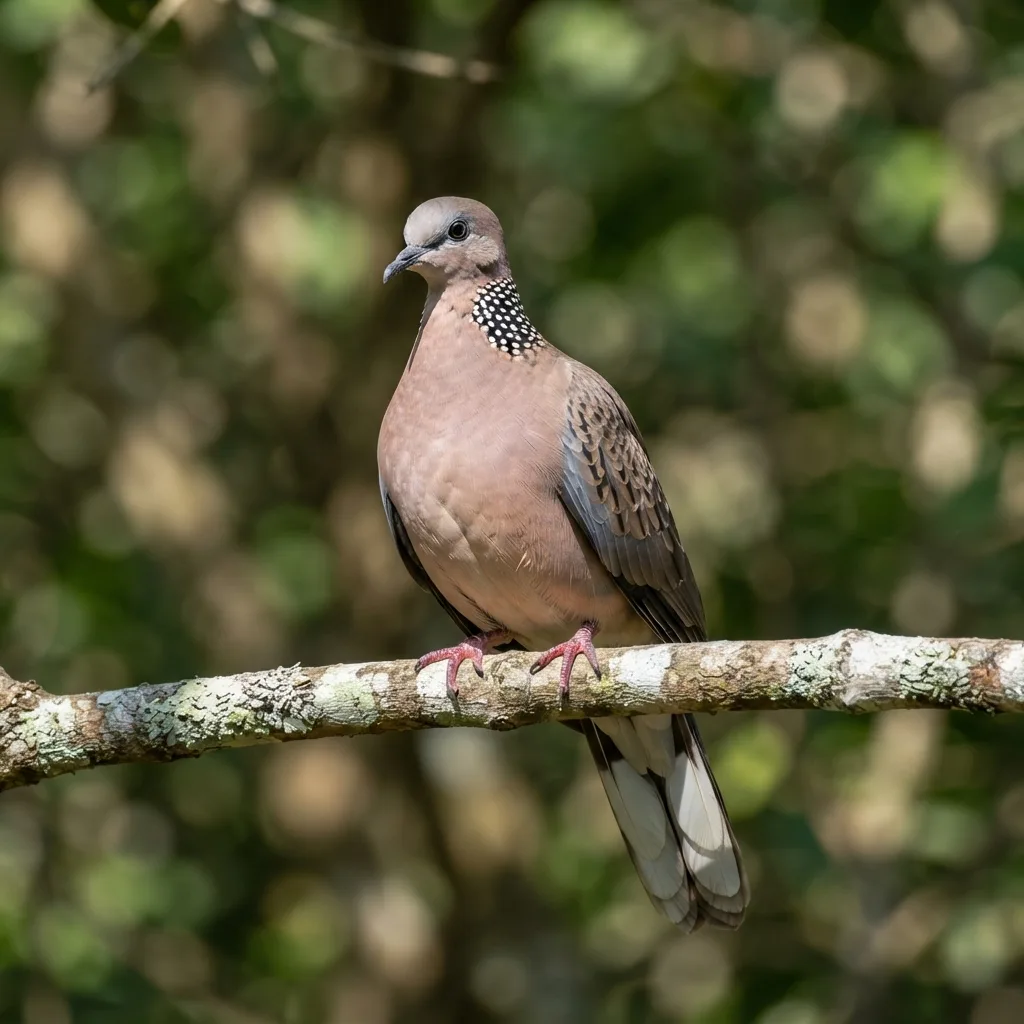
The spotted dove (Spilopelia chinensis) is a small, slender, long-tailed pigeon belonging to the family Columbidae. Widely recognized by the distinctive white-spotted black collar patch on the back and sides of its neck, it is a familiar and adaptable resident bird found across South and Southeast Asia, as well as in various introduced regions around the globe.
Physical Characteristics and Identification
- Size: Measures approximately 28 to 32 centimeters (11.2 to 12.8 inches) in length and weighs about 158 grams (5.6 oz).
- Plumage: Features a rosy-buff to pinkish-grey breast and underparts, shading into a grey head and a light brown back. Wing coverts feature delicate light buff or rufous spots depending on the subspecies.
- Neck Collar: Displays a striking black semi-collar patch on the nape and sides of the neck, heavily speckled with tiny white spots (leading to alternative names like lace-necked dove or pearl-necked dove).
- Tail: Long and graduated with distinct white tips on the outer tail feathers that become very prominent when the bird takes flight.
- Sexes: Males and females look nearly identical, while juveniles are duller and lack the distinct neck spotting until maturity.
Habitat and Distribution
- Native Range: Spans across the Indian Subcontinent, southern China, Southeast Asia (including Cambodia, Thailand, and Vietnam), and parts of the Malay Archipelago.
- Introduced Populations: Feral and established populations thrive outside their native range, including in Hawaii, southern California, Mauritius, New Zealand, and widespread regions of eastern and southern Australia.
- Preferred Environment: Highly adaptable to human habitation, commonly found in urban parks, suburban gardens, farmlands, light secondary forests, and agricultural scrublands.
Behavior and Ecology
- Diet: Forages predominantly on the ground for grass seeds, fallen grains, and small vegetation, occasionally taking scraps or seeds in urban backyards.
- Flight: Flies with a swift, direct motion characterized by an explosive, noisy flutter off the ground when startled, often ending with a glide onto an elevated perch or wire.
- Vocalization: Delivers a soft, bubbling, multi-syllabled coo—often transcribed as krookruk-krukroo or a musical coo-a-roooo—most actively heard during early morning and evening hours.
- Breeding: Monogamous pairs build a very flimsy, sparse twig platform nest in low trees, bushes, or building ledges, where they typically lay a clutch of two plain white eggs. They can breed year-round in tropical climates or primarily during spring and summer in temperate introduced zones.
- Group
- Other birds