

Bengal Monitor
Varanus bengalensis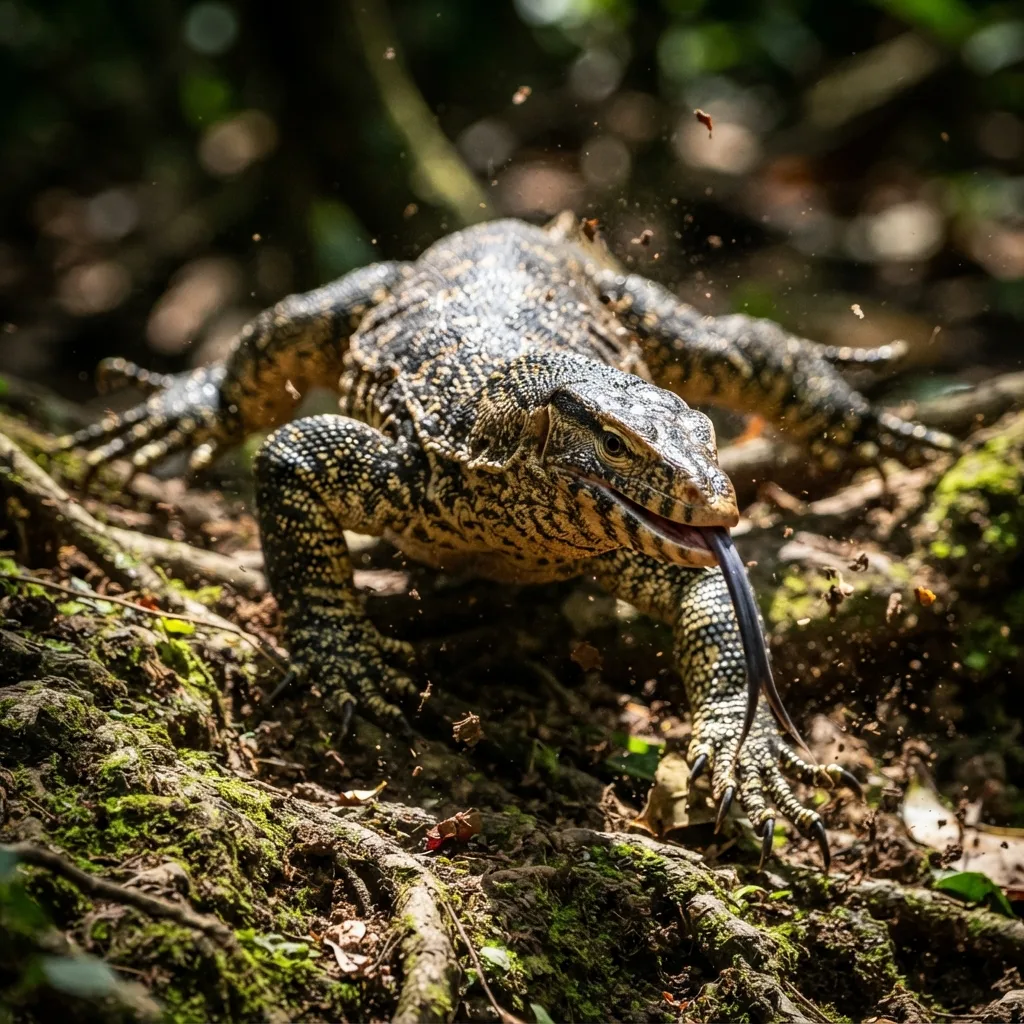
爬行动物
Is a large and strong reptile species native to the Indian Shorbox.
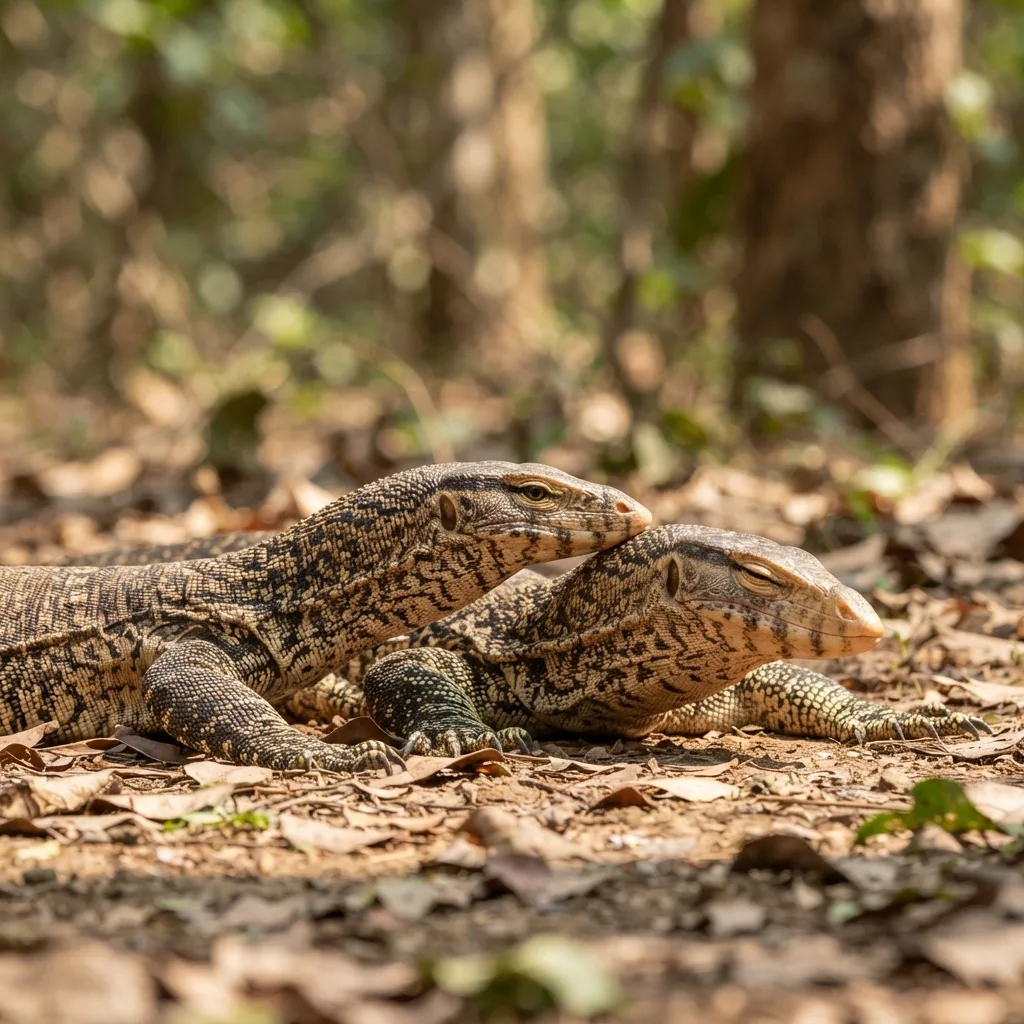
The Bengal monitor (Varanus bengalensis), also called the common Indian monitor, is a large, powerful lizard native to the Indian Subcontinent, as well as parts of Southeast Asia and West Asia. They are well-known generalist carnivores that play a vital role in controlling insect and rodent populations in their native ecosystems.
Physical Description and Anatomy
- Size: Adults can reach a total length of 61 to 175 cm (24 to 69 inches) from snout to the tip of the long tail. Males are generally larger and heavier than females.
- Weight: Heavy individuals can weigh up to 7.2 kg (16 lbs), though rare captive specimens have reached slightly more.
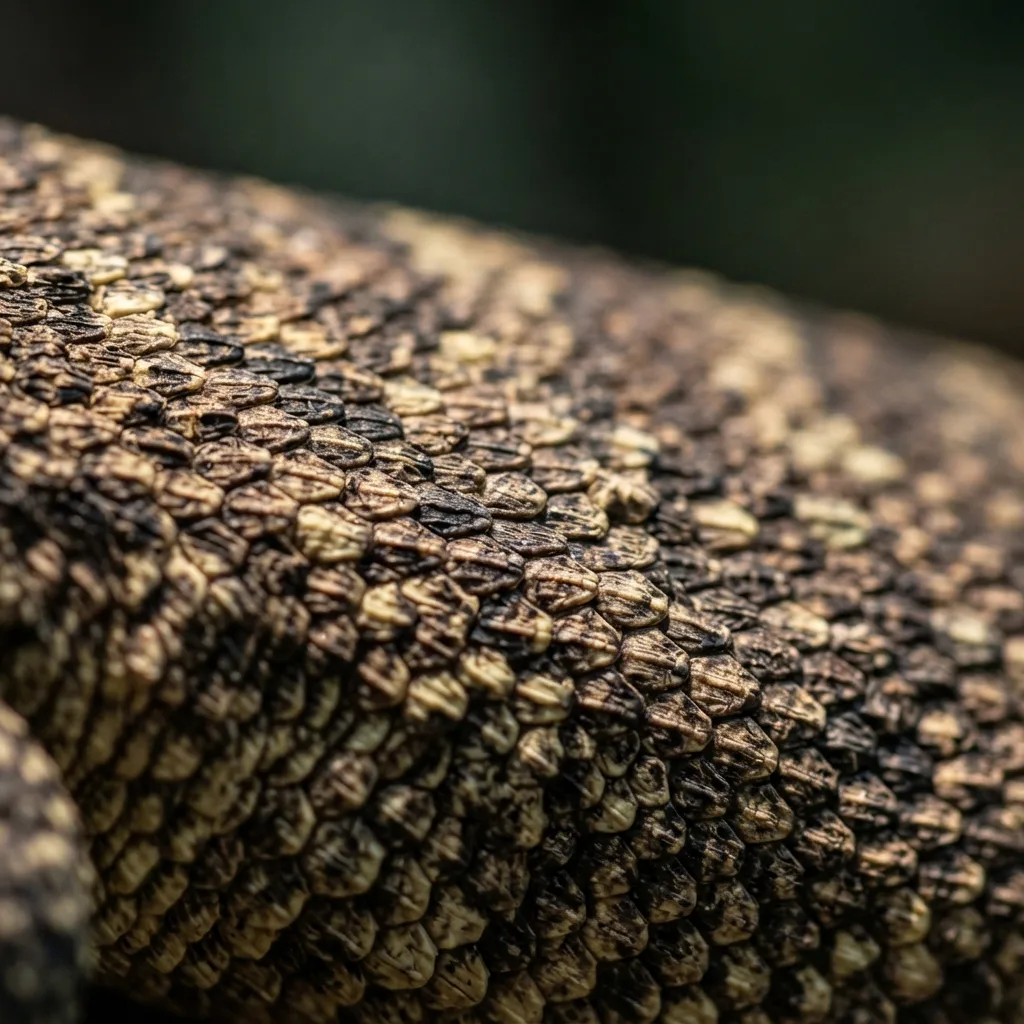
- Coloration: Their skin is typically dusty brown, grey, or greenish-grey with darker markings that fade as they age.
- Tongue: They possess a long, forked tongue identical to that of a snake, which they use to flick and "taste" scent particles in the air to track down prey.
Habitat and Behavior
- Distribution: Ranges across a vast area from southeastern Iran through India, Bangladesh, Pakistan, Sri Lanka, and parts of Southeast Asia down to Java.
- Lifestyle: Primarily terrestrial and diurnal (active during the day), they spend mornings basking in the sun before foraging.
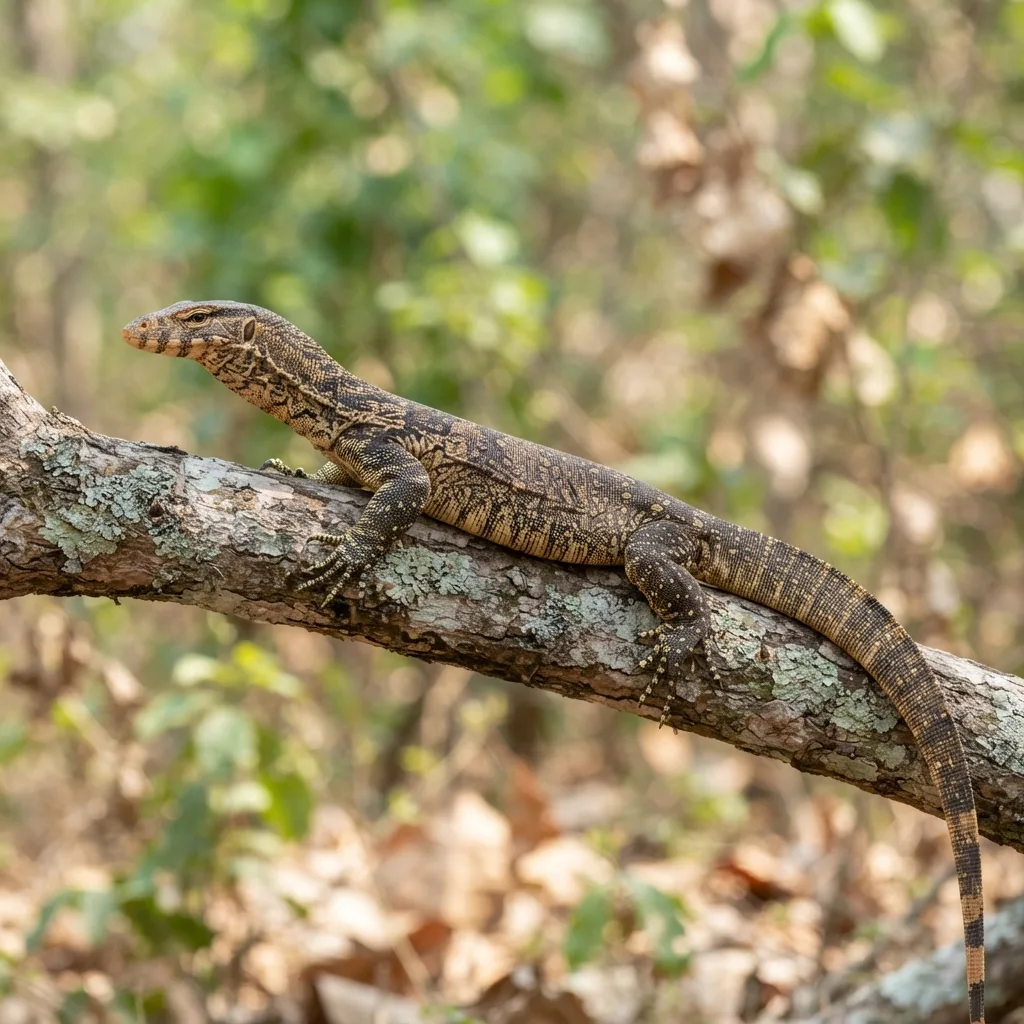
- Abilities: Despite spending most of their time on the ground, they are exceptional climbers (especially juveniles) and strong swimmers capable of staying submerged for over 15 minutes.
- Shelter: They dig extensive burrows or utilize rock crevices, tree hollows, and abandoned termite mounds.
Diet and Ecology
- Generalist Feeders: Their diet shifts with age and size; young monitors feed mostly on insects (beetles, ants, and termites) and scorpions.
- Vertebrate Prey: Larger adults actively hunt frogs, toads, lizards, snakes (including venomous ones), rodents, birds, and fish. They also scavenge carrion.
Conservation and Threats
- IUCN Status: Assessed as Least Concern, though wild populations are in decline globally.
- Protection: Listed under CITES Appendix I, which strictly bans international commercial trade. They are protected locally in many regions (such as under India's Wildlife Protection Act).
- Human Pressures: They face threats from habitat loss, agricultural pesticides, and illegal hunting for meat, skin, and traditional folk remedies. Their hemipenes are also illegally trafficked under the deceptive trade name "Hatha Jodi".
- 分类
- 爬行动物