

Mallard Duck
Anas platyrhynchos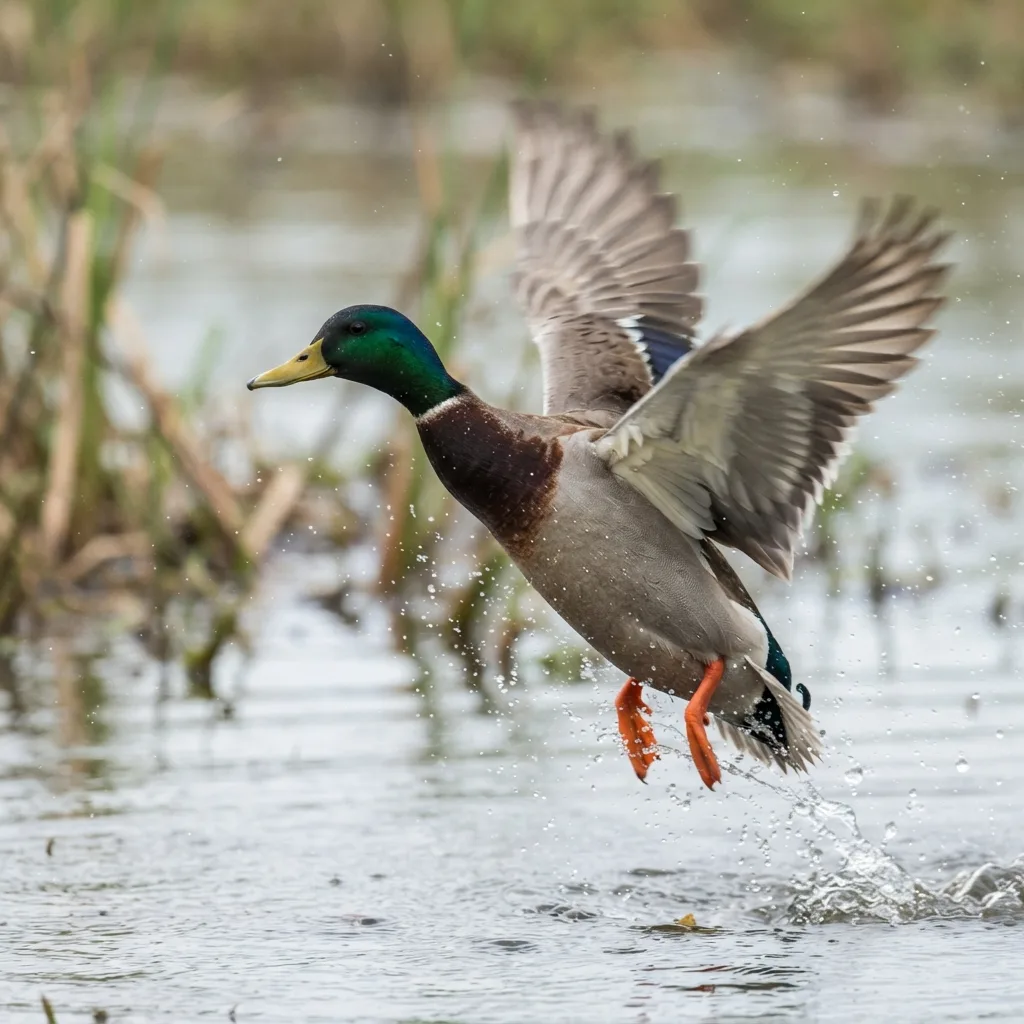
水禽
One of the largest and most widespread swimming birds in the Northern Hemisphere
The mallard (Anas platyrhynchos) is a dabbling duck that is the most abundant and wide-ranging duck species in the Northern Hemisphere, inhabiting temperate and subtropical wetlands across North America, Europe, and Asia.
Physical Characteristics
- Size: Measures 50–65 cm (20–26 in) in length with a wingspan of 81–98 cm (32–39 in).
- Weight: Typically weighs 0.7–1.6 kg (1.5–3.5 lb).
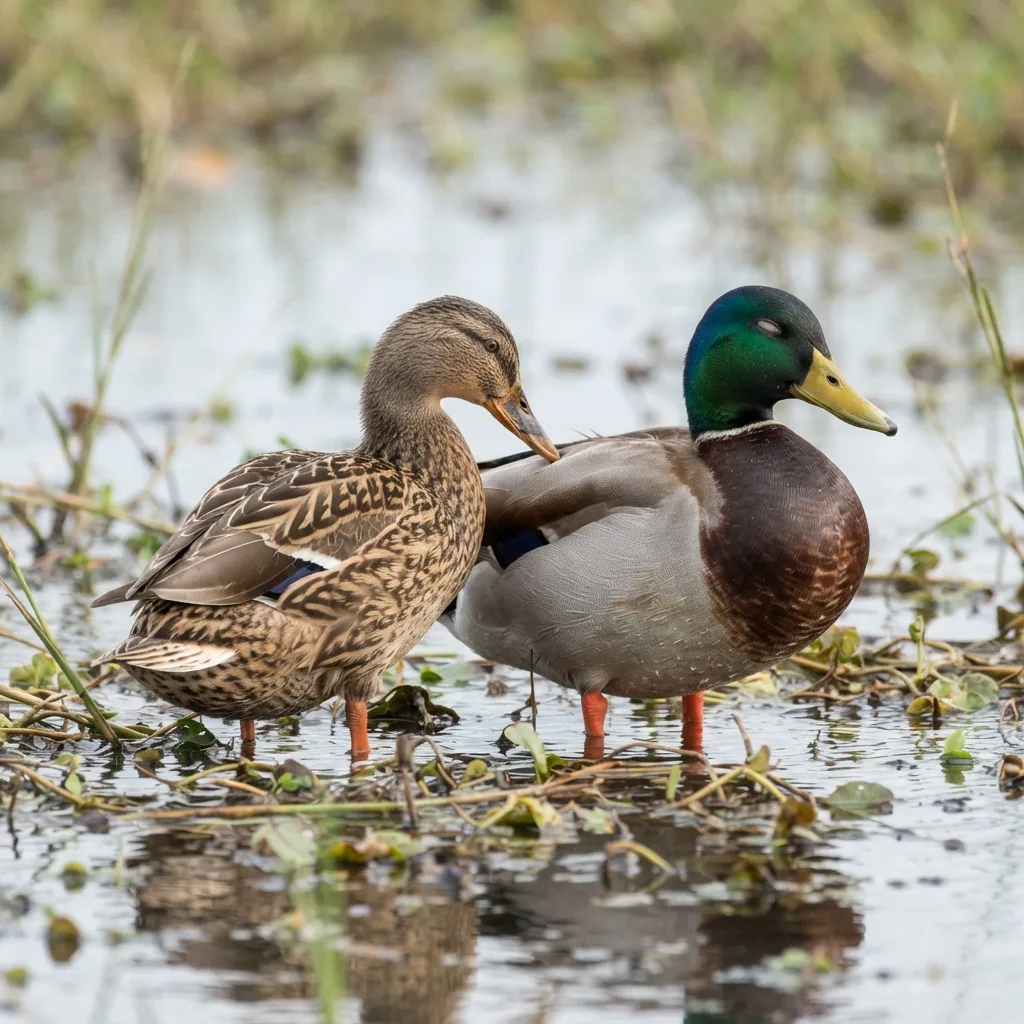
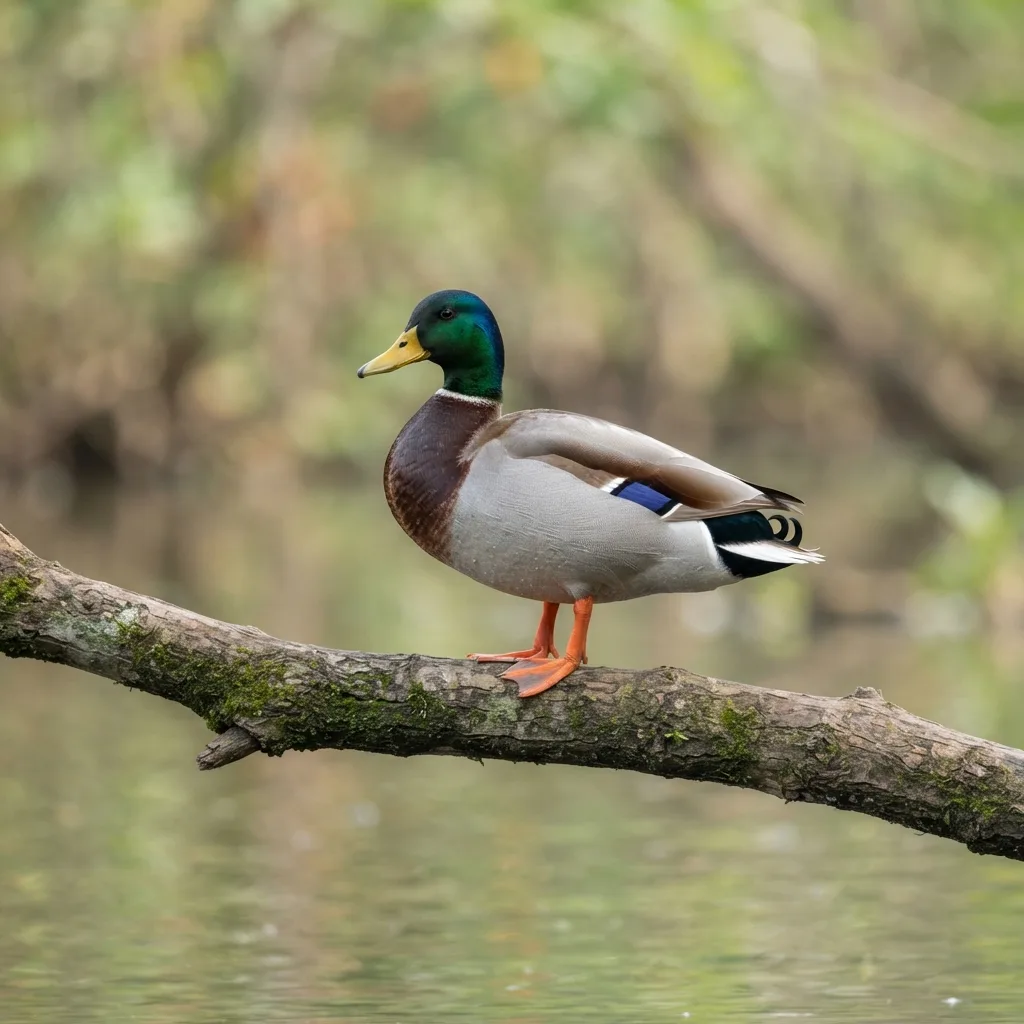
- Male (Drake): Features a glossy bottle-green head, a white neck ring, a chestnut-brown breast, a gray body, and a bright yellow bill.
- Female (Hen): Displays mottled brown and buff plumage for camouflage, with a darker crown and an orange-mottled bill.
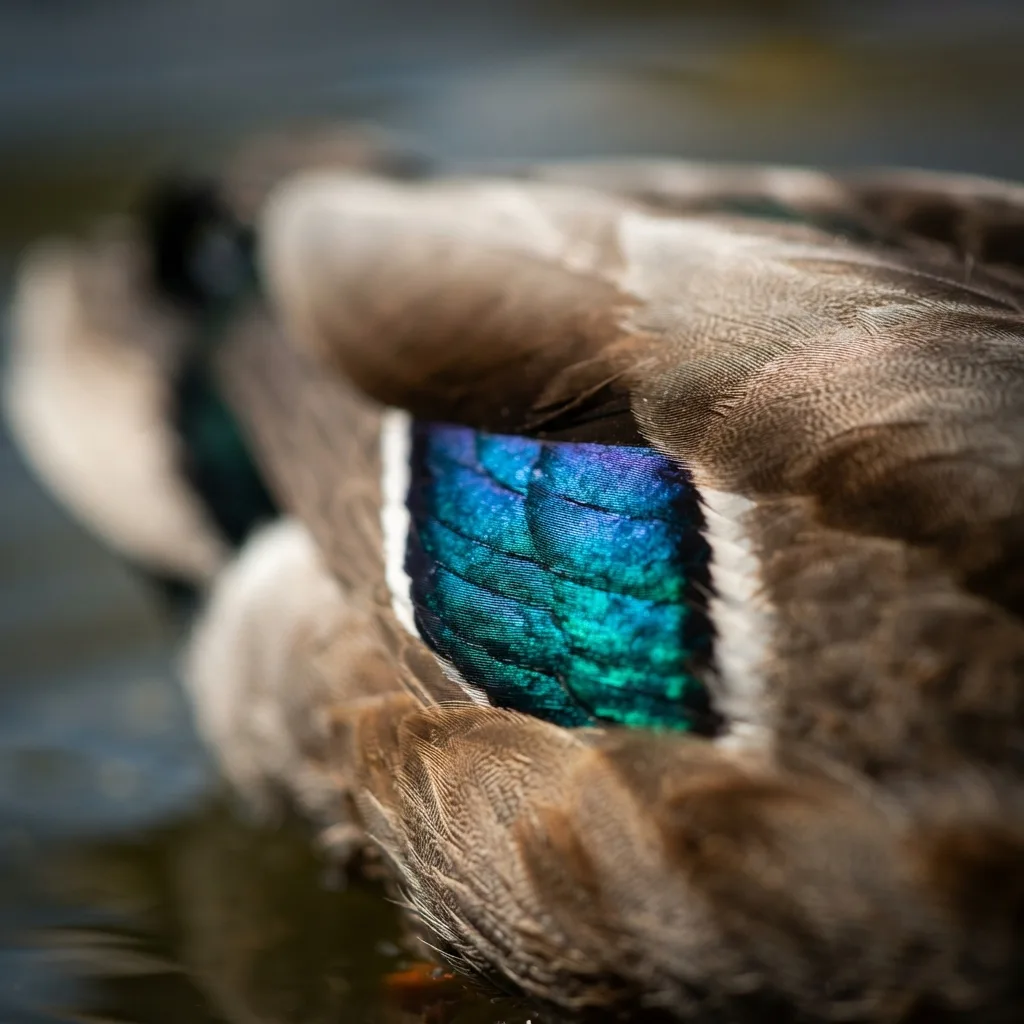
- Speculum: Both sexes share an iridescent purple-blue wing patch bordered with white.
Habitat and Diet
- Habitats: Fosters in shallow wetlands, lakes, ponds, rivers, and urban parks with water depths of less than 0.9 meters (3 feet).
- Diet: Omnivorous generalists that feed by dabbling (tipping forward with tails in the air) rather than diving. They consume aquatic plants, seeds, grains, insects, and small aquatic animals.
- Behavior: Highly social and gregarious, often congregating in flocks (known as a "sord" in flight).
Reproduction and Lifespan
- Mating: Form monogamous pairs during autumn and winter, breeding in the spring.
- Eggs: The female lays a clutch of 8 to 13 creamy-white to greenish-buff eggs in a ground nest.
- Incubation: Lasts 27 to 28 days, handled exclusively by the female. Ducklings can swim immediately upon hatching.
- Lifespan: Averages 5 to 10 years in the wild, though individuals can live significantly longer.
- 分类
- 水禽