

Raccoons
Procyon lotor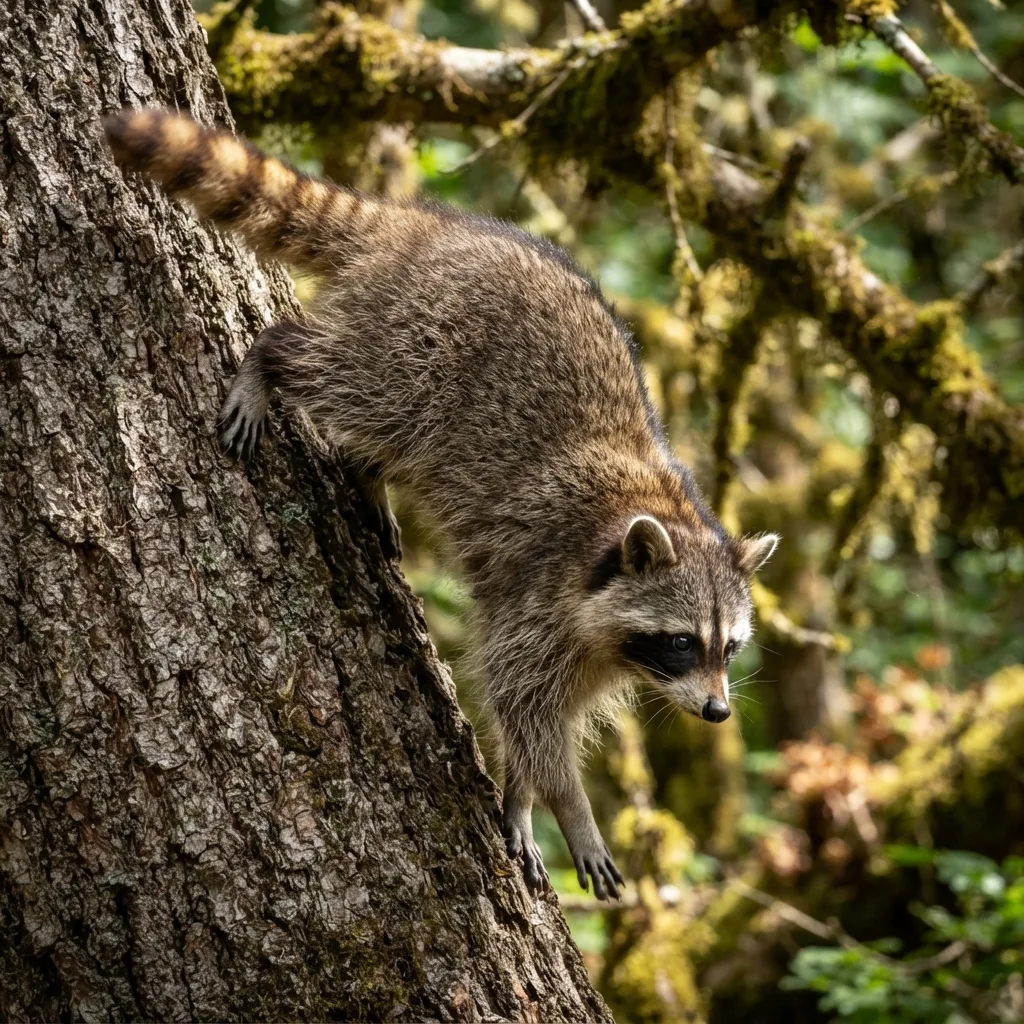

小型哺乳动物
Medium-sized mammals originating from North and Central America
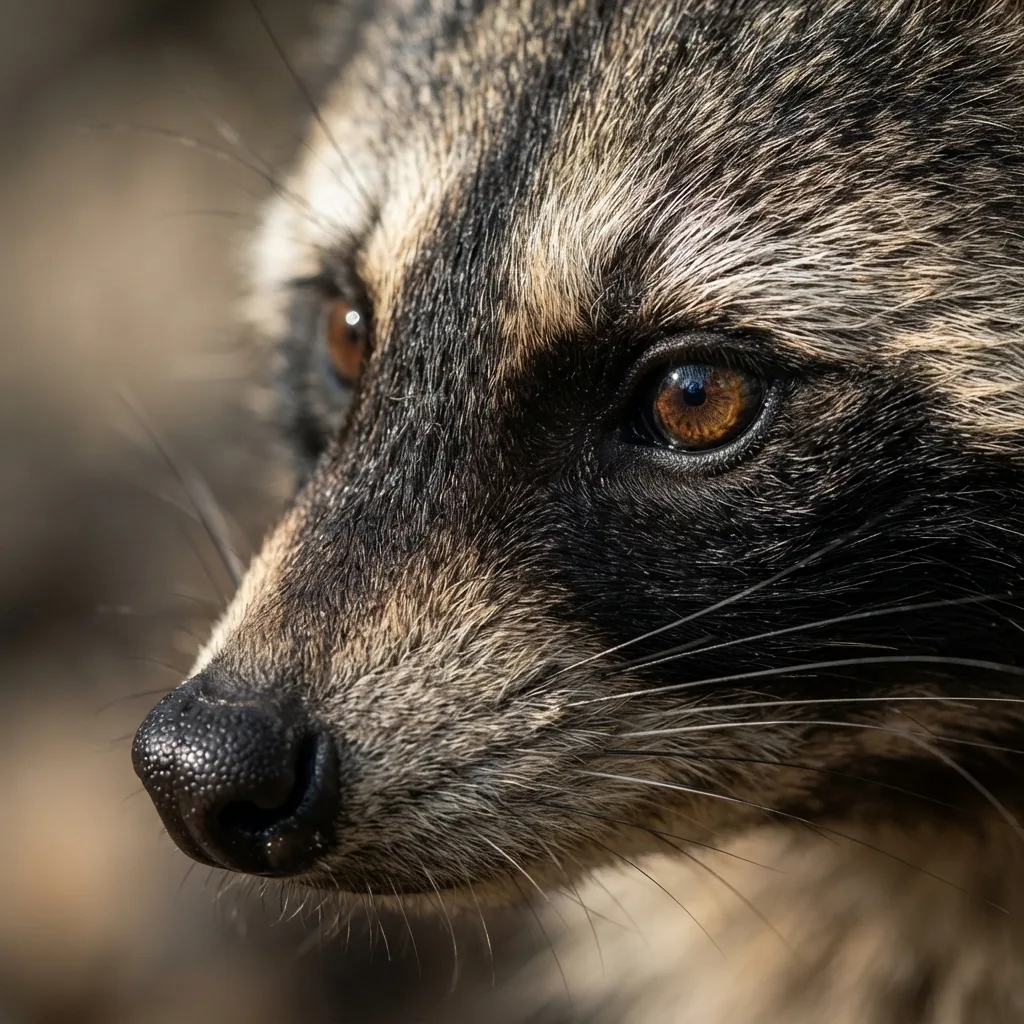
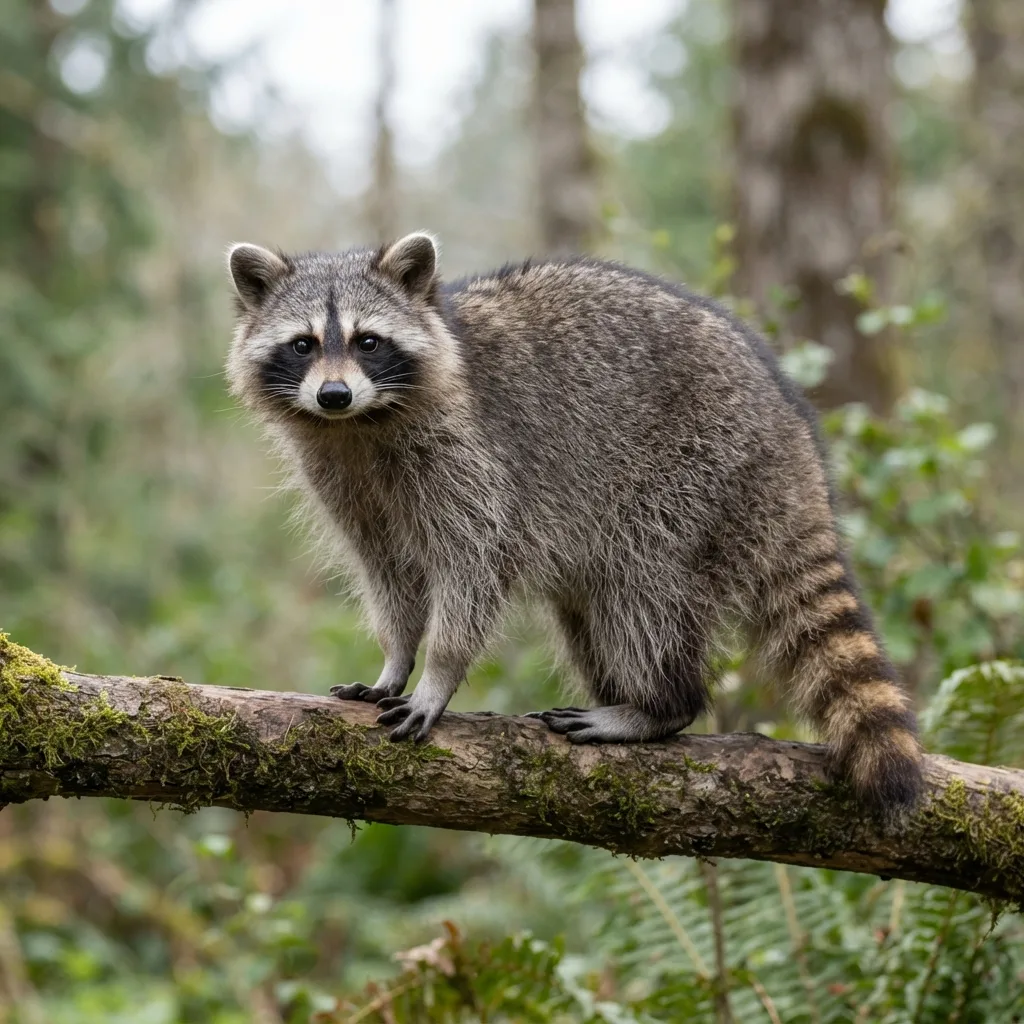
The raccoon (Procyon lotor) is a medium-sized mammal native to North and Central America, easily recognized by its distinctive black facial "mask" and bushy ringed tail. Highly adaptable and famously intelligent, they have thrived alongside human development and now inhabit both deep forests and busy urban neighborhoods.
Physical Characteristics and Anatomy
- Facial Mask: A striking patch of black fur around their eyes mimics a bandit mask, which helps reduce glare.
- Ringed Tail: A bushy tail marked with 5 to 10 dark rings provides balance and visual signaling.
- Dexterous Paws: Their front paws feature highly sensitive, nimble digits that function almost like human hands, allowing them to open latches, untie knots, and manipulate containers.
- Size and Weight: Adults typically measure 20 to 38 inches long (including the tail) and weigh between 10 and 35 pounds, though well-fed urban raccoons can occasionally grow much heavier.
Habitat and Range
- Geographic Distribution: Native across North America (from Canada down into Mexico) and parts of Central and South America, they have also been introduced to select regions in Europe and Asia.
- Environmental Adaptability: Raccoons favor wooded areas near water, marshes, and agricultural lands, but they transition smoothly into suburban and metropolitan environments.
- Denning Sites: They are opportunistic nesters, choosing hollow trees, rock crevices, abandoned burrows, chimneys, and attics.
Diet and Foraging Behavior
- Omnivorous Diet: Their menu is split roughly between invertebrates (40%), plants (33%), and vertebrates (27%), changing with seasonal availability.
- Water Foraging: Raccoons frequently hunt along stream banks for crayfish, frogs, fish, and insects.
- The "Washing" Myth: Raccoons do not actually wash their food to clean it. Instead, wetting their paws enhances the tactile nerve sensitivity in their forepaw pads, helping them "feel" and identify items in the dark or underwater.
Intelligence and Social Life
- Problem-Solving: Studies show raccoons possess exceptional long-term memory, retaining solutions to complex tasks for up to three years.
- Social Structure: They are primarily solitary animals, aside from mothers raising their young (kits or cubs), though multiple females may share overlapping territories.
- Vocalizations: They use a diverse vocabulary of up to 200 different sounds—including purrs, growls, screeches, and whimpers—to communicate.
Coexisting with Raccoons
- Pest Behaviors: Raccoons are notorious for knocking over garbage cans, raiding gardens, and seeking entry into residential roofs or chimneys.
- Health Risks: They can carry diseases and parasites transmissible to humans and pets, including rabies, canine distemper, and roundworm (Baylisascaris procyonis).
- Management: Humane deterrence involves securing trash bins with tight lids, removing outdoor pet food, sealing off attic entry points, and avoiding direct contact with any wild animal. [1, 2, 3, 4, 5]
- 分类
- 小型哺乳动物