

Sambar Deer
Rusa unicolor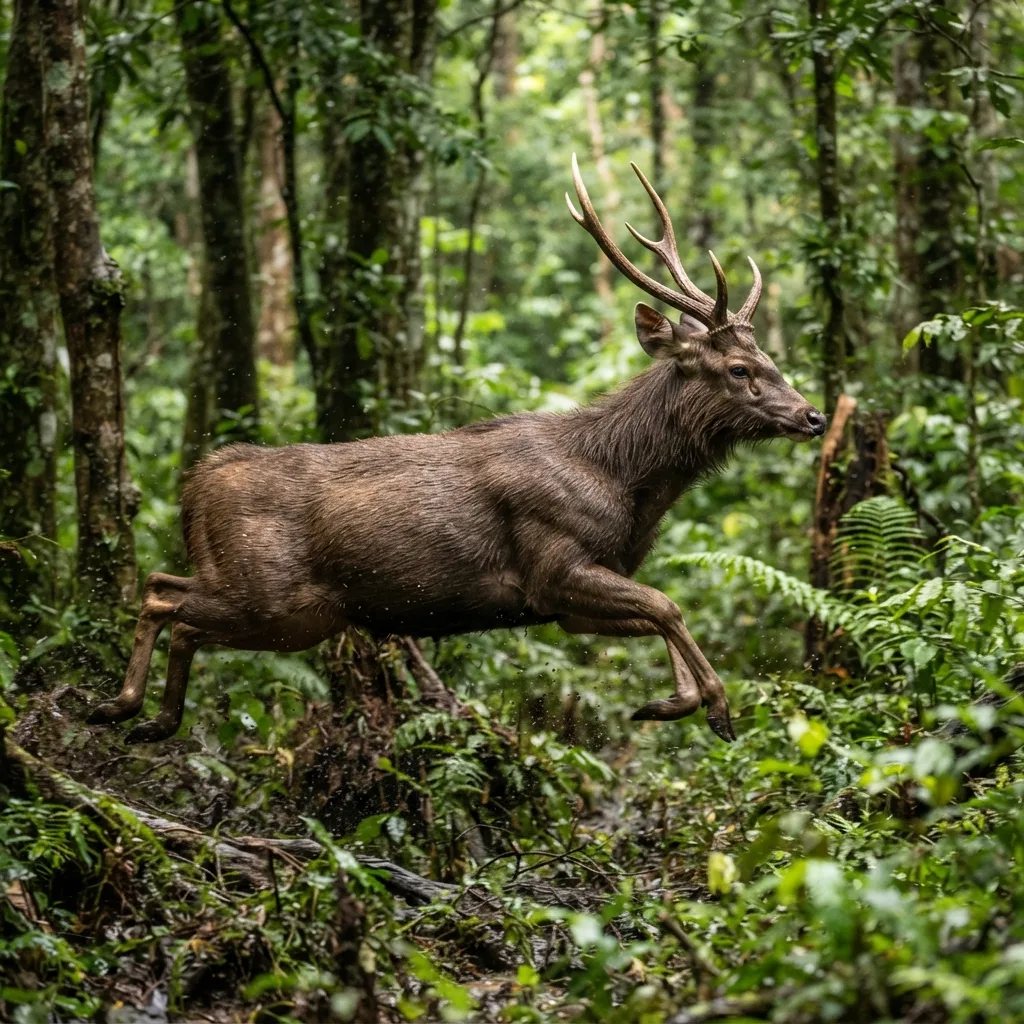
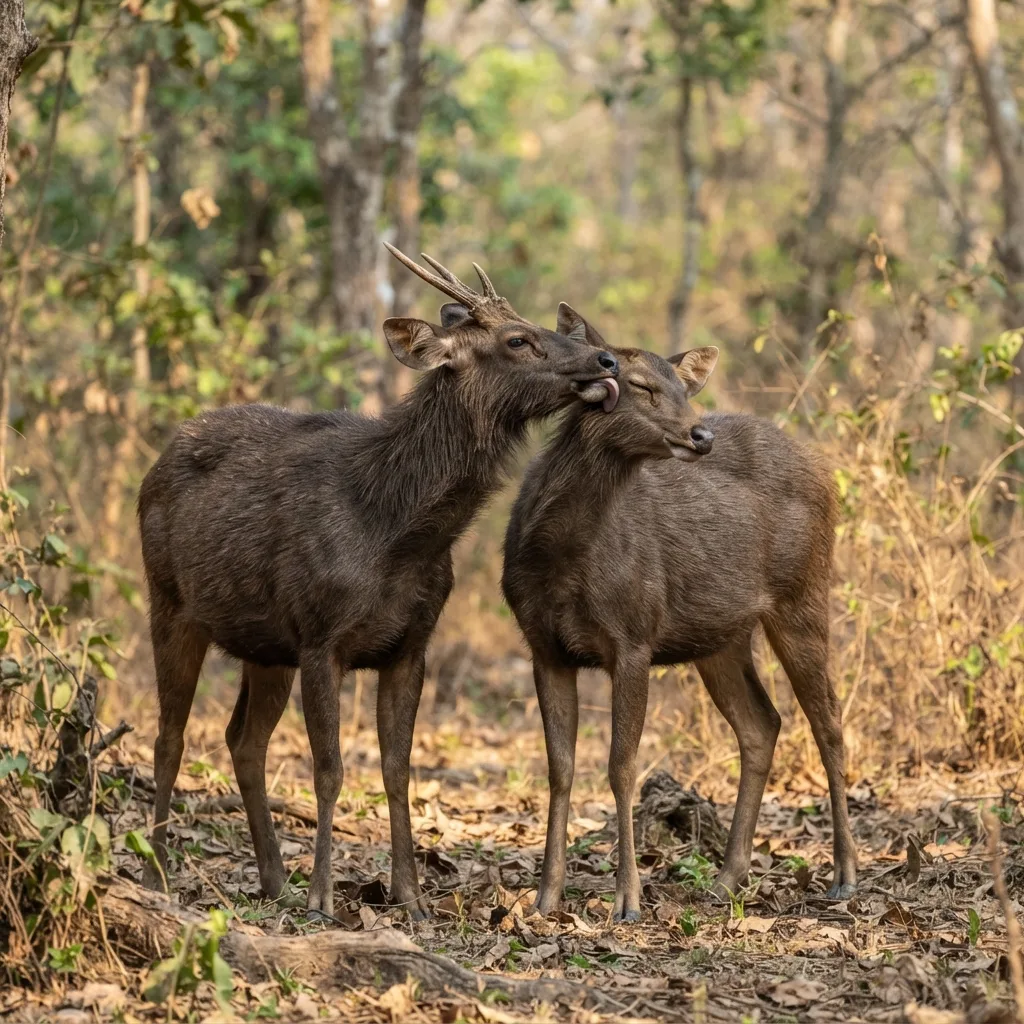
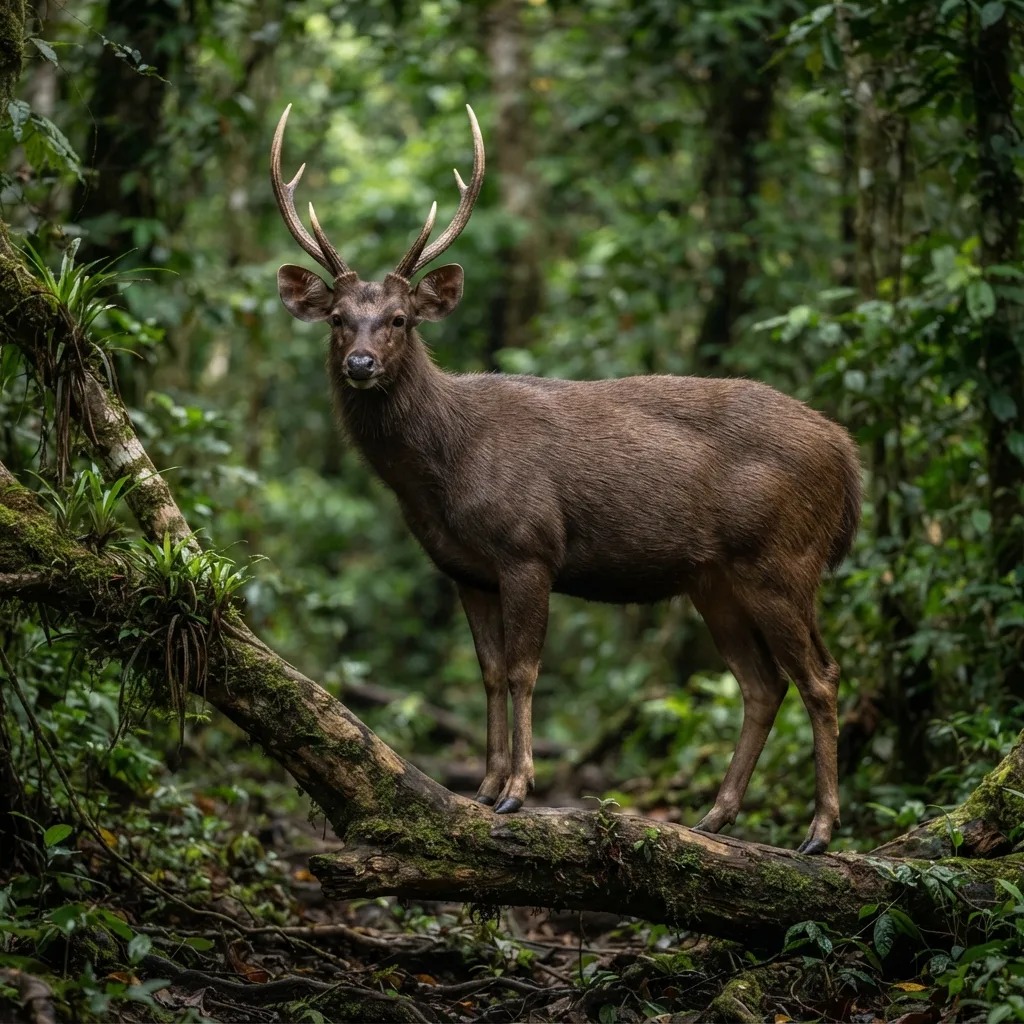
The largest deer in the Indian subcontinent, Southern China, and Southeast Asia
The sambar deer (Rusa unicolor) is the largest deer species native to the Indian subcontinent, South China, and Southeast Asia. Known for its remarkable strength, massive size, and elusive nature, it serves as a critical component of the forest ecosystems it inhabits.
Physical Characteristics
- Size and Weight: Adult males (stags) are heavily built, standing 102 to 160 cm (40 to 63 inches) at the shoulder and weighing typically 100 to 350 kg (220 to 770 lbs), though large individuals can exceed 500 kg (1,100 lbs). Females are noticeably smaller.
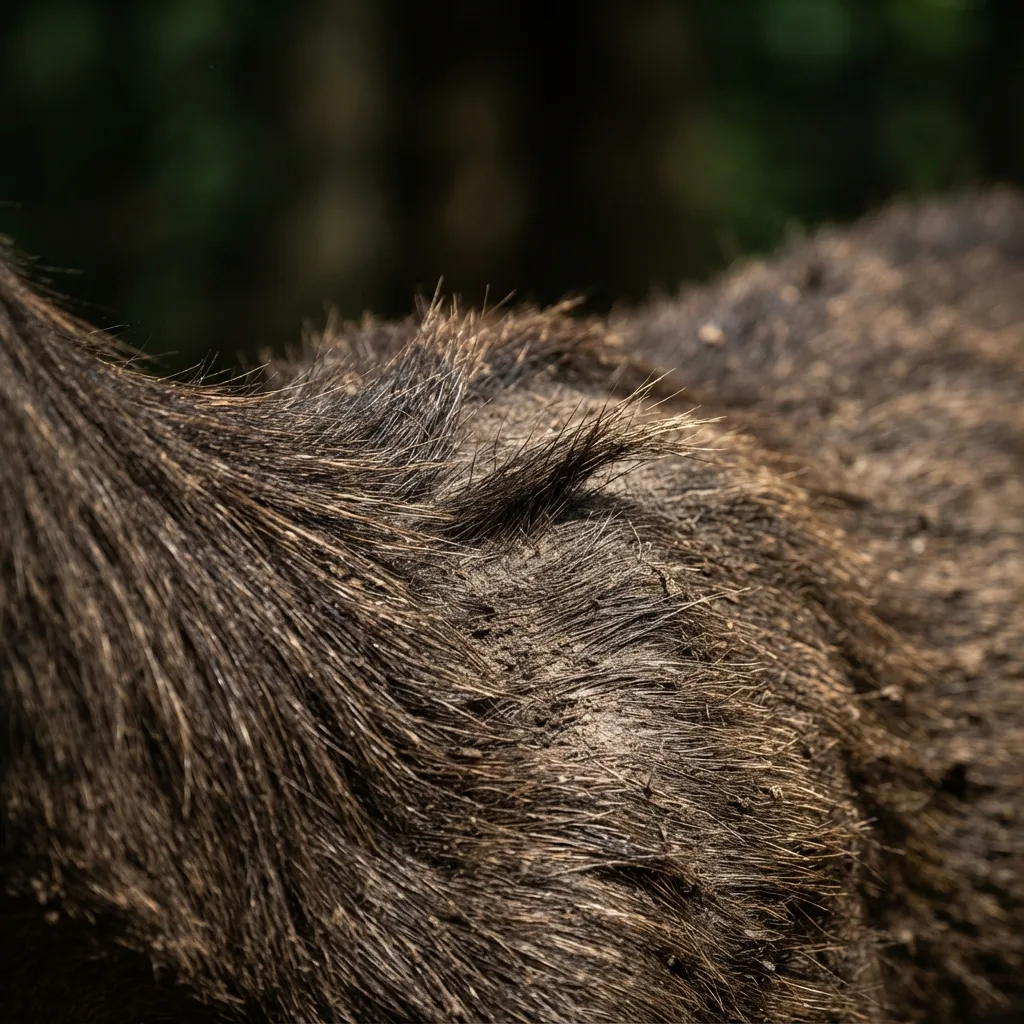
- Coat and Mane: They possess a coarse, shaggy dark-brown to grey coat. Mature males develop a dense, coarse mane around their neck, which can erect to make them look more intimidating when threatened.
- Antlers: Stags grow thick, rugged three-tined antlers that can stretch up to 110 cm (43 inches) long. These antlers are shed annually, though their shedding cycle is less rigid in tropical zones compared to temperate deer.
- The "Sore Spot": Adult stags and pregnant or lactating hinds uniquely display a hairless, red glandular spot midway down their throats that occasionally oozes a white fluid.
Behavior and Ecology
- Activity: Sambar are predominantly crepuscular or nocturnal, meaning they are most active during dawn, dusk, and nighttime hours, resting in dense cover during the day.
- Social Structure: Unlike many herd-reliant deer species, stags are largely solitary and nomadic. Females live in unusually small family groups (often just 3 to 4 individuals), typically consisting of a mother, her recent offspring, and an immature female.
- Unique Defense Tactics: When sensing a predator (like a tiger or leopard), a sambar's first instinct is to freeze and stare down the threat to evaluate it, rather than instantly fleeing. If fully alarmed, they stamp their feet and emit a loud, ringing metallic bark or "honk" to warn others.
- Water Lovers: Sambar are highly water-dependent and exceptional swimmers. They regularly fully submerge themselves with only their heads exposed to traverse rivers or forage on aquatic vegetation.
Habitat and Diet
Sambar deer are incredibly adaptable and live in dense tropical rainforests, dry deciduous forests, montane grasslands, and subalpine areas. They are strict herbivores. Their diverse diet shifts between grazing on grasses and browsing on leaves, vines, fallen fruits, bark, and water plants. Males also frequently visit salt licks to absorb vital minerals needed for antler growth.
Conservation Status and Introduced Populations
The IUCN Red List currently classifies the sambar deer as Vulnerable, with populations dropping more than 50% across parts of Southeast Asia due to hunting and severe habitat fragmentation. Ironically, outside of their native ranges, they are thriving as introduced species. They have established highly successful feral populations in Australia, New Zealand, and on St. Vincent Island in Florida, USA.
- 分类
- 大型有蹄动物