

Tenasserim Muntjac
Muntiacus feae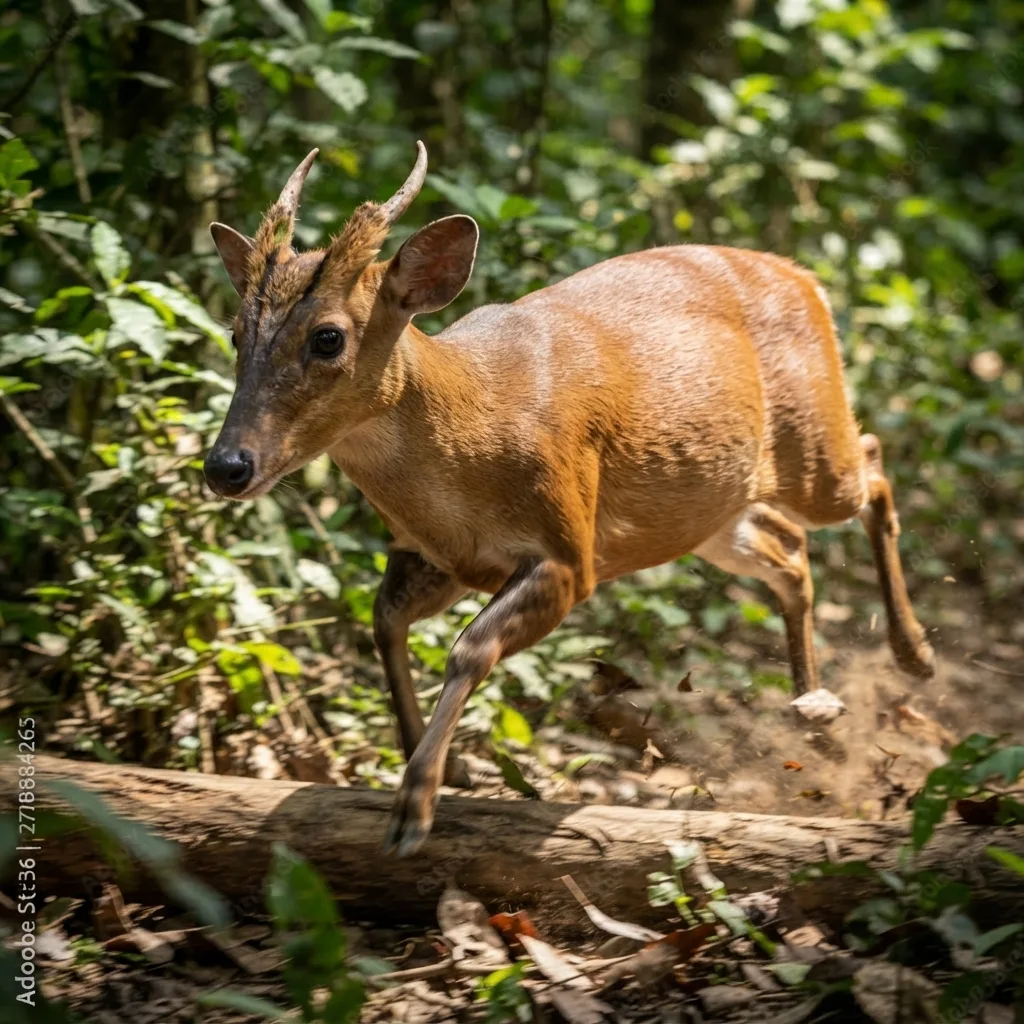
大型有蹄动物
A small type of deer that is rare and difficult to meet.
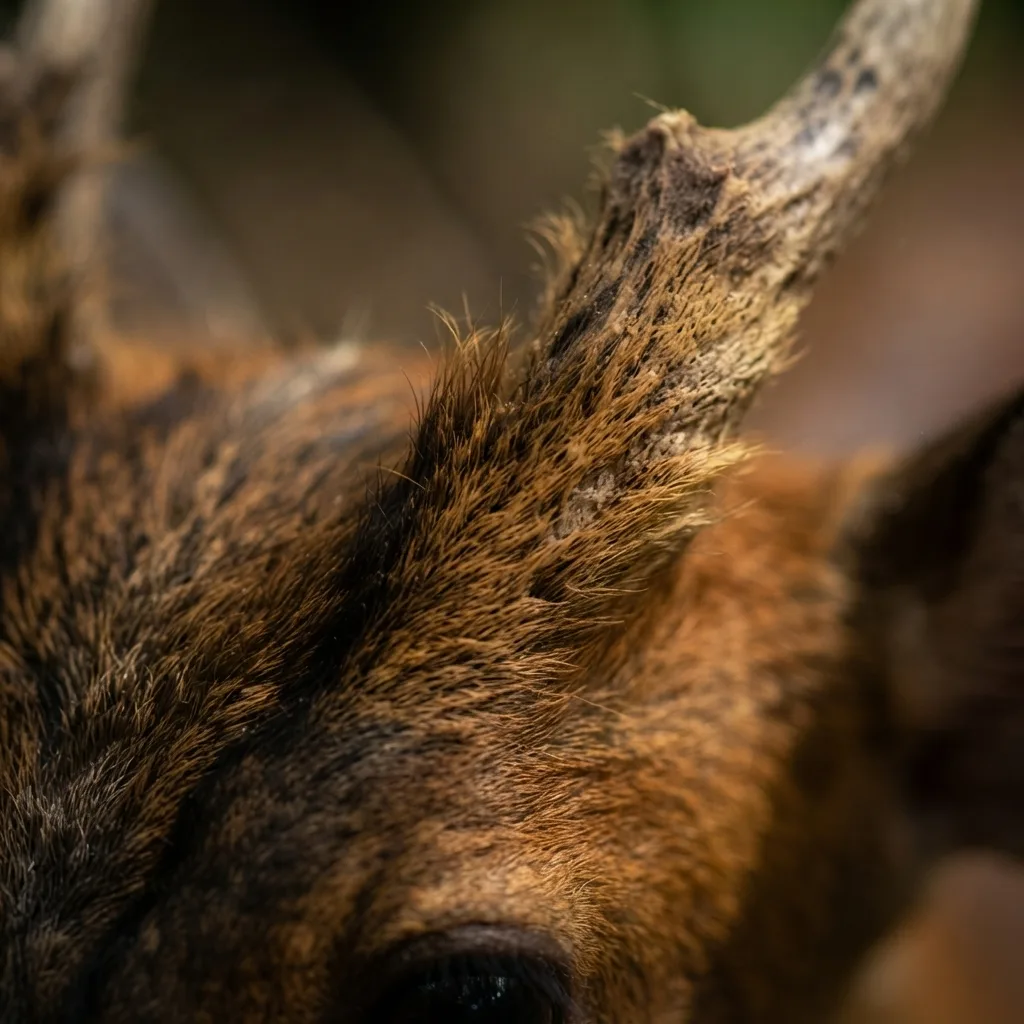
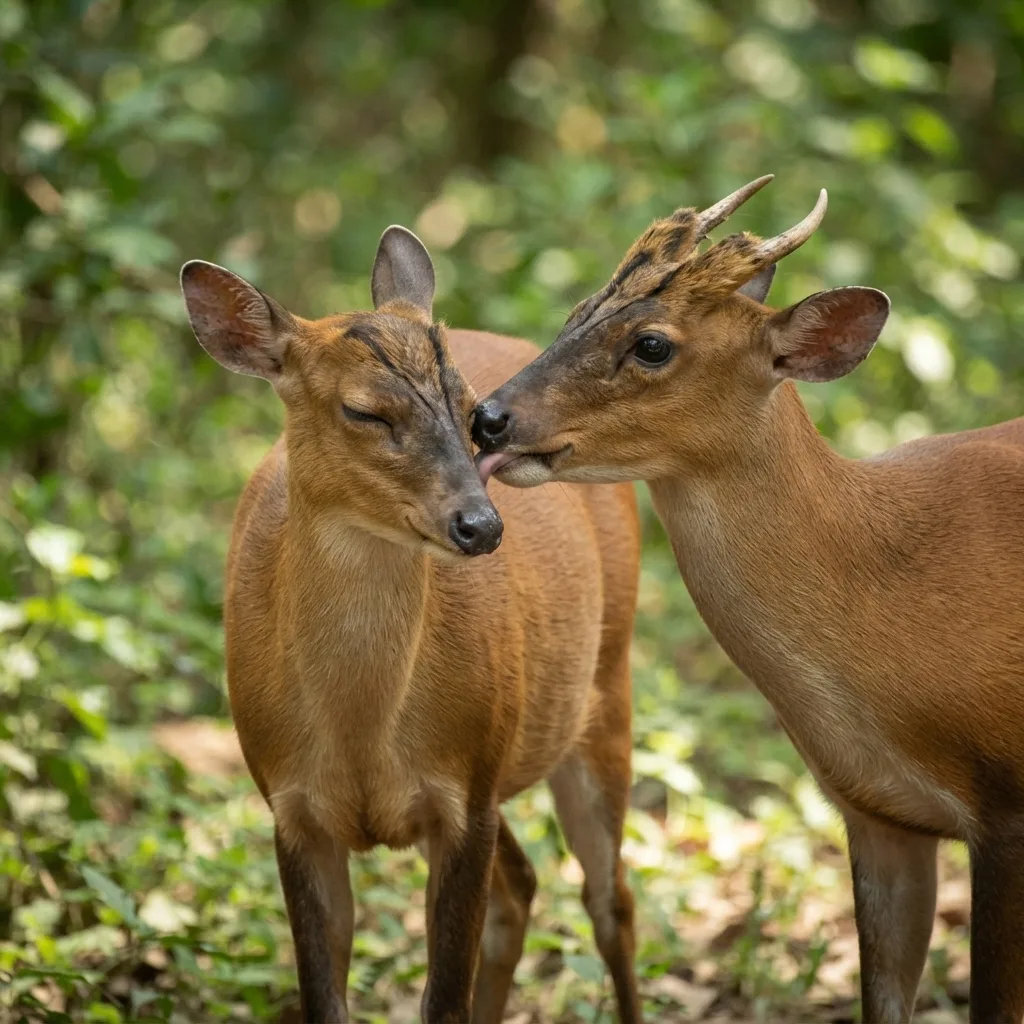
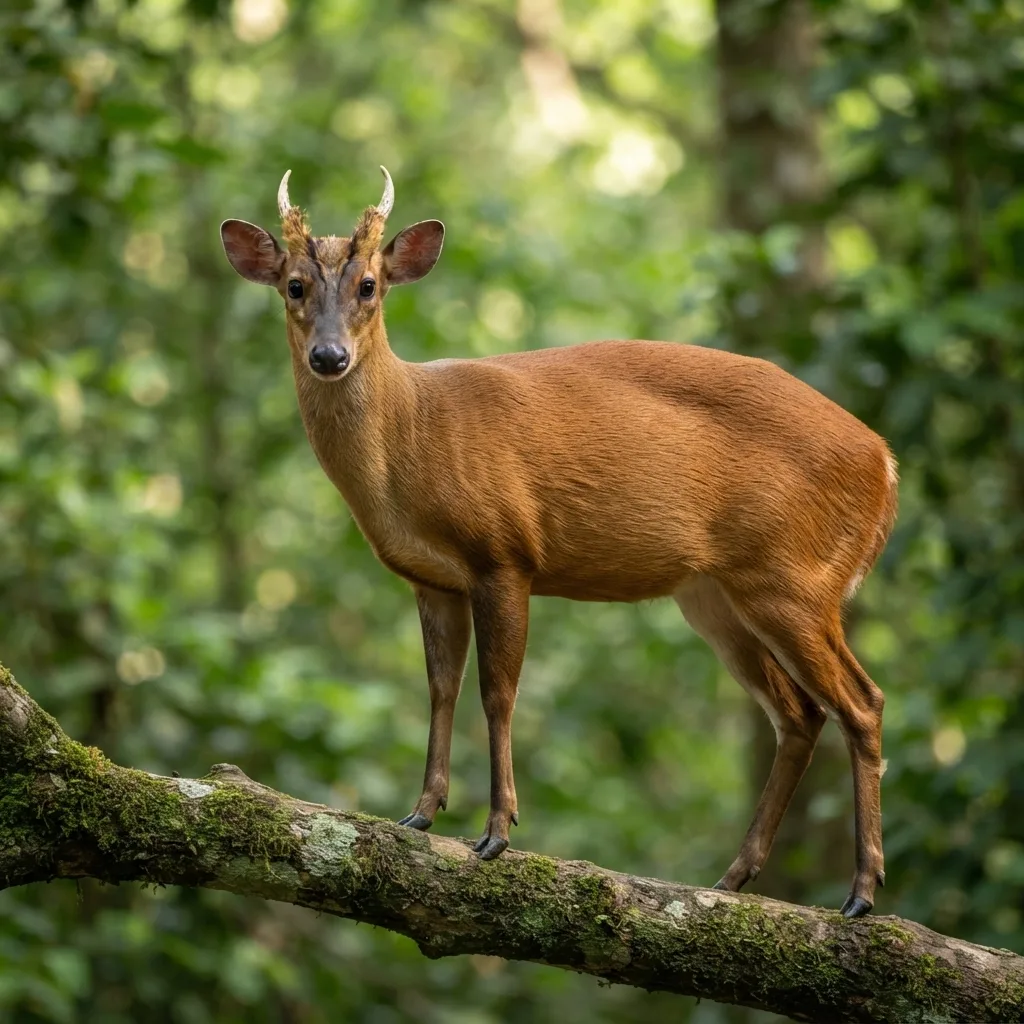
The Tenasserim muntjac (Muntiacus feae), also commonly known as Fea's muntjac, is a rare and elusive small deer species native to the dense forested regions of Southeast Asia. First discovered in the Tenasserim Hills along the border of Myanmar and Thailand, it is named after the Italian zoologist Leonardo Fea.
Key Characteristics & Behavior
- Size and Weight: It is similar in size to the common red muntjac, with adult weights typically ranging from 18 to 21 kg (40 to 46 lbs).
- Habitats: They are highly restricted to upland evergreen, mixed, or shrub forests, often found at high altitudes of up to 2,500 meters (8,200 feet).
- Diet: While categorized broadly as omnivorous, their primary diet consists of grasses, low-growing leaves, and tender shoots.
- Solitary and Diurnal: Unlike many other deer species that form herds or are nocturnal, the Tenasserim muntjac is diurnal (active during the day) and primarily solitary.
- Reproduction: Offspring are typically born in thick, dense vegetation where they remain hidden until they are strong enough to travel alongside their mother.
Geographic Distribution
While historically heavily associated with southern Myanmar and Thailand, regional records note its presence extending across parts of China, Laos, and Vietnam. Due to its highly secretive nature and preference for rugged, high-altitude terrain, it remains one of the least-studied species within the barking deer family.
- 分类
- 大型有蹄动物