

Variable Squirrel
Callosciurus finlaysonii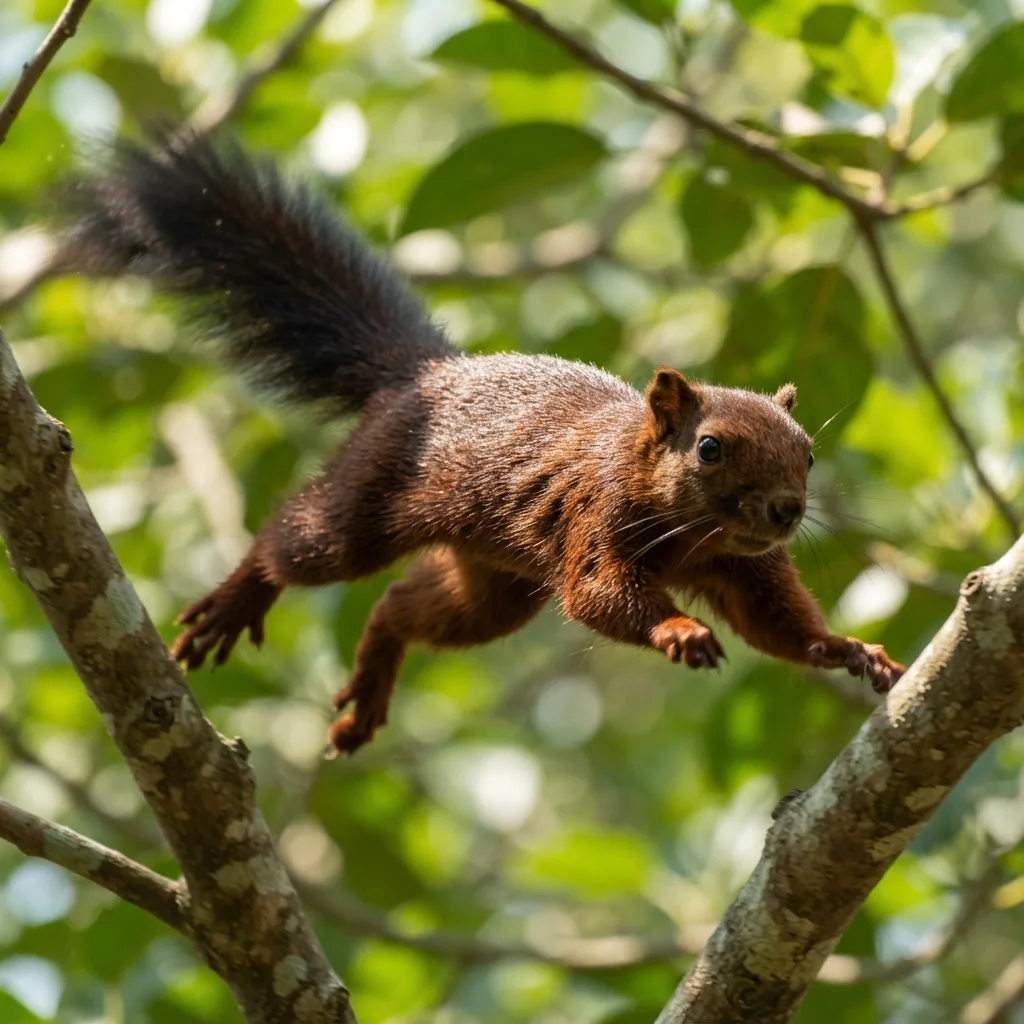
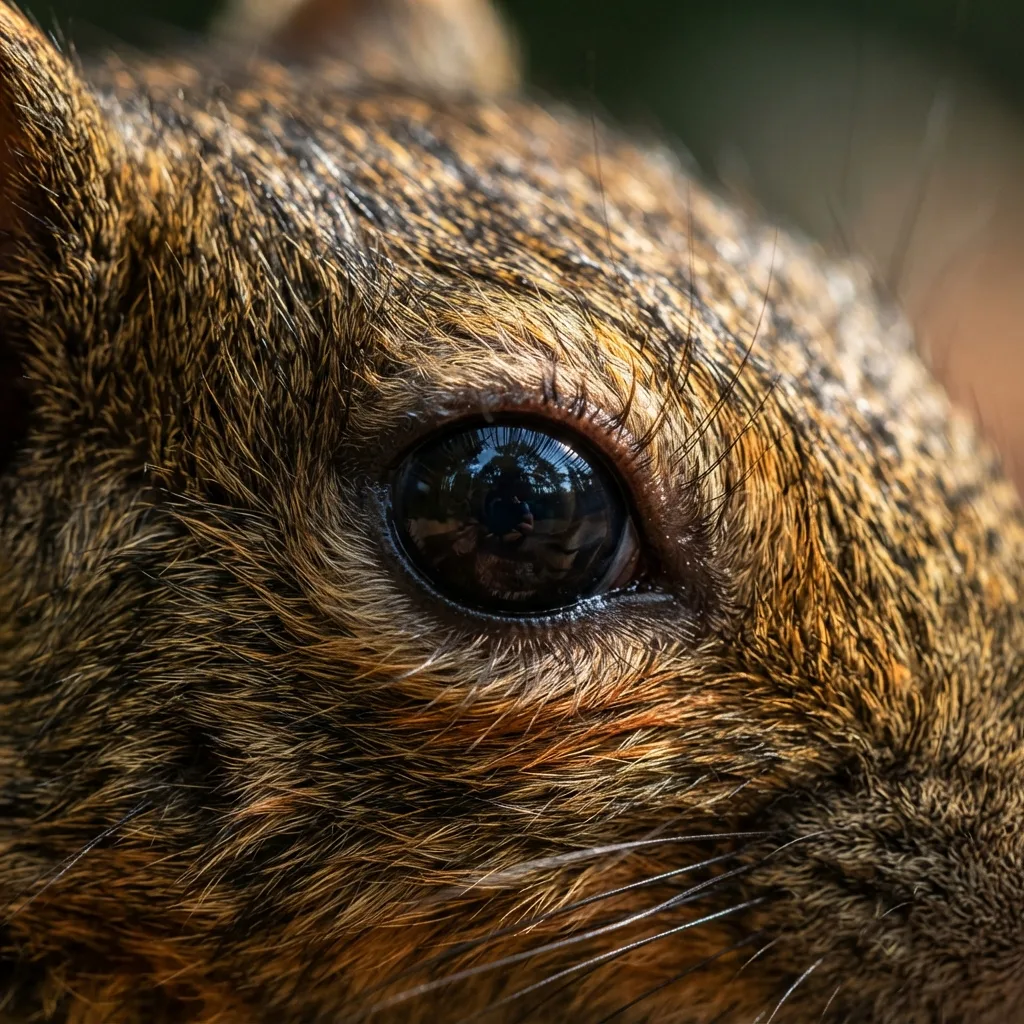
Small teeth, large, round, black eyes, and long, pointed teeth for shaving
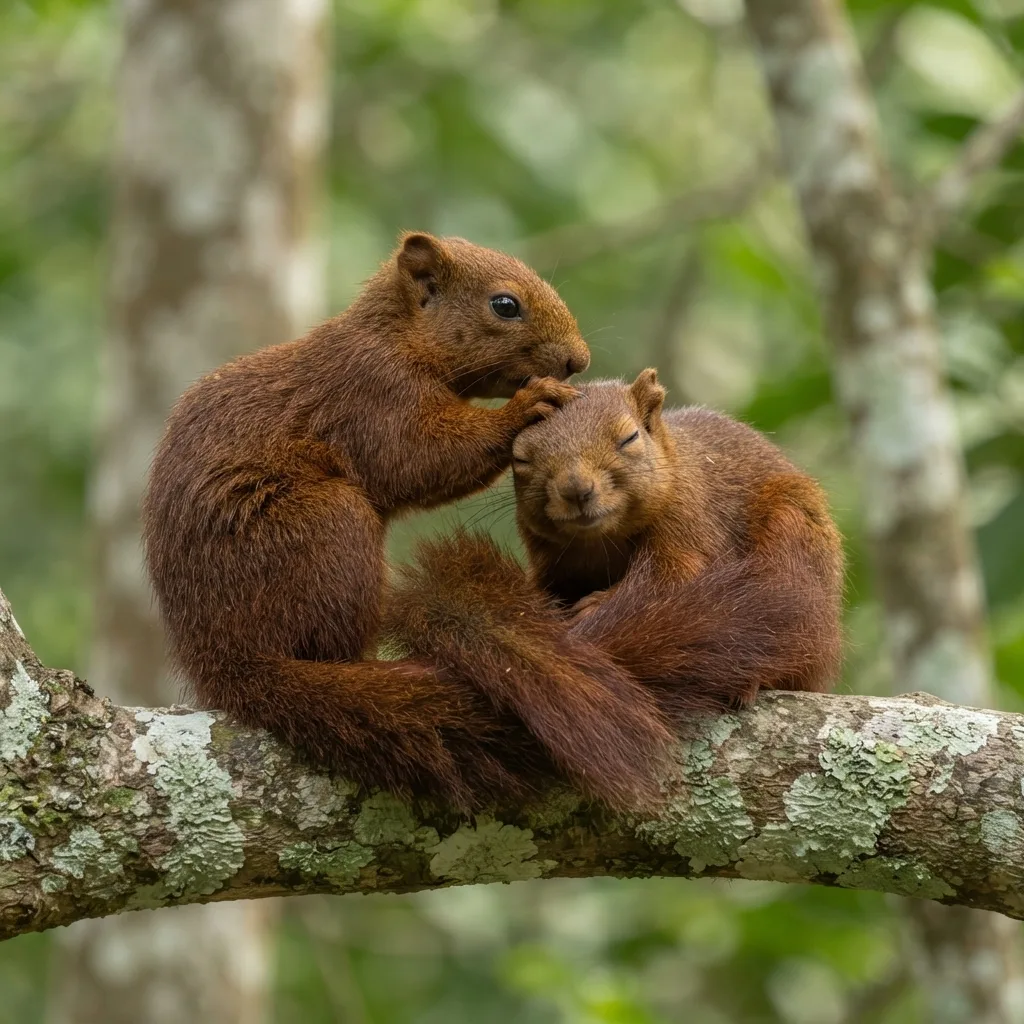
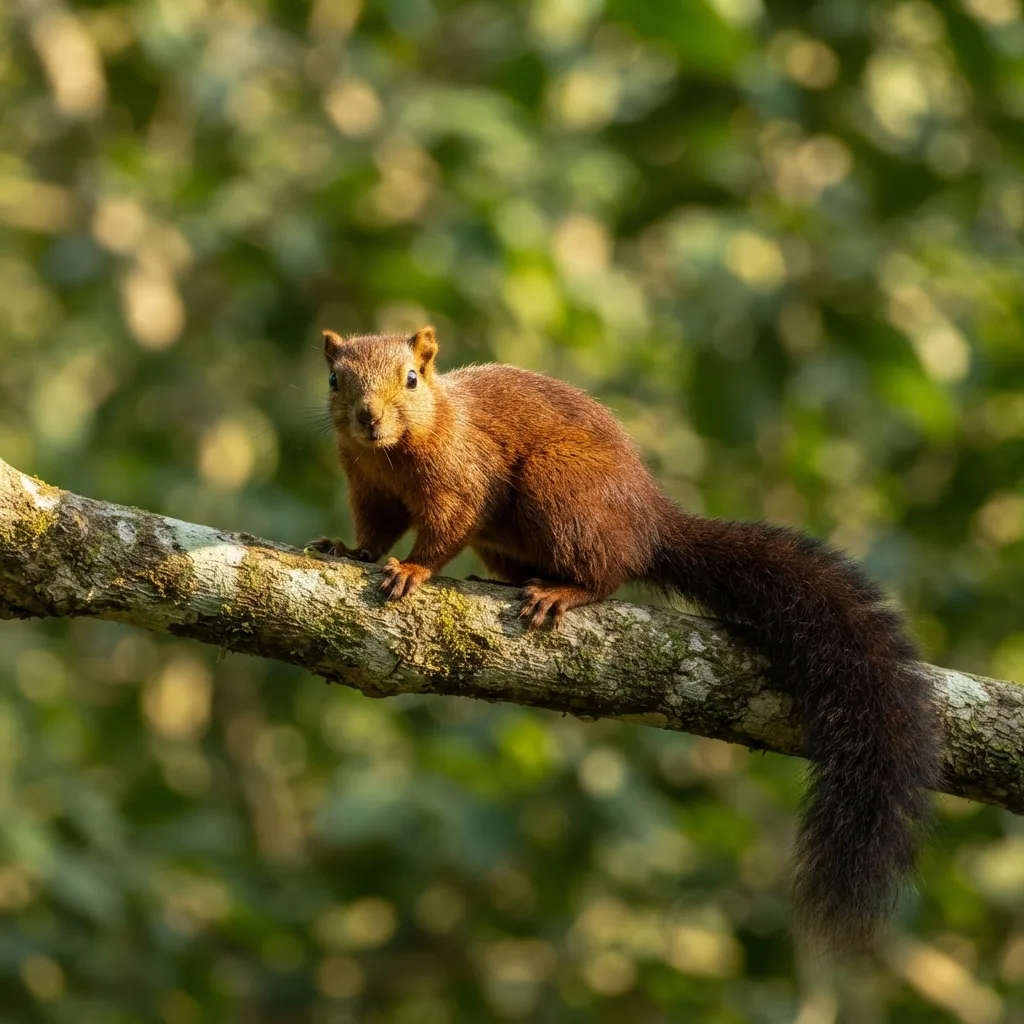
The variable squirrel (scientific name: Callosciurus finlaysonii), also commonly known as Finlayson's squirrel, is a species of arboreal rodent in the family Sciuridae. It is celebrated for the remarkable diversity of its coat colors across different subspecies.
🌍 Distribution and Habitat
- Native Range: Deeply native to mainland Southeast Asia, including Cambodia, Laos, Myanmar, Thailand, and Vietnam.
- Introduced Range: Due to the exotic pet trade, populations have become established in Singapore, Italy, Japan, and the Philippines (specifically the Greater Manila Area). It is classified as an invasive species in several of these introduced regions.
- Habitats: They thrive across a wide spectrum of environments, from dense tropical rainforests and wooded regions to urban gardens, plantations, and city parks (such as those in Bangkok).
- In Captivity: They have a recorded maximum lifespan of 12.8 years.
- In the Wild: There is limited definitive data on their exact average lifespan in the wild. However, like most medium-sized tree squirrels, adults typically live between 3 to 6 years if they survive past infancy
🧬 Appearance & "Variable" Pelage
The species earns its "variable" name from its highly diverse pelage. Depending on the specific subspecies (of which there are 16 recognized) and geographic location, their appearance can look like entirely different species:
- Color Morphs: Uniformly monochrome black, pure white, rich chestnut/cinnamon-red, or combinations with grey and olive-brown markings.
- Size: An average adult head-and-body length of 19 to 22 cm (7.5 to 8.5 inches), paired with a bushy tail of 17 to 24 cm.
- Weight: Typically weighs around 250 to 280 grams.
🌲 Behavior and Diet
- Activity: They are diurnal (active during the day) and predominantly canopy-dwellers, demonstrating high agility while jumping between branches and climbing vertical tree trunks.
- Diet: Primarily herbivorous and insectivorous. They forage for fruits, seeds, flowers, buds, bark, sap, insects, and occasionally bird eggs.
- Senses: They possess dichromatic color vision, which helps them distinguish colors when foraging for ripe fruits in the forest canopy.
🛡️ Conservation Status
The variable squirrel is classified as Least Concern (LC) by the IUCN Red List, as its overall population remains stable and highly adaptable to human-modified landscapes. However, in regions where it has been introduced, it poses ecological threats by stripping tree bark and outcompeting native squirrel species.
- Group
- Small mammals