

Common Pheasant
Phasianus colchicus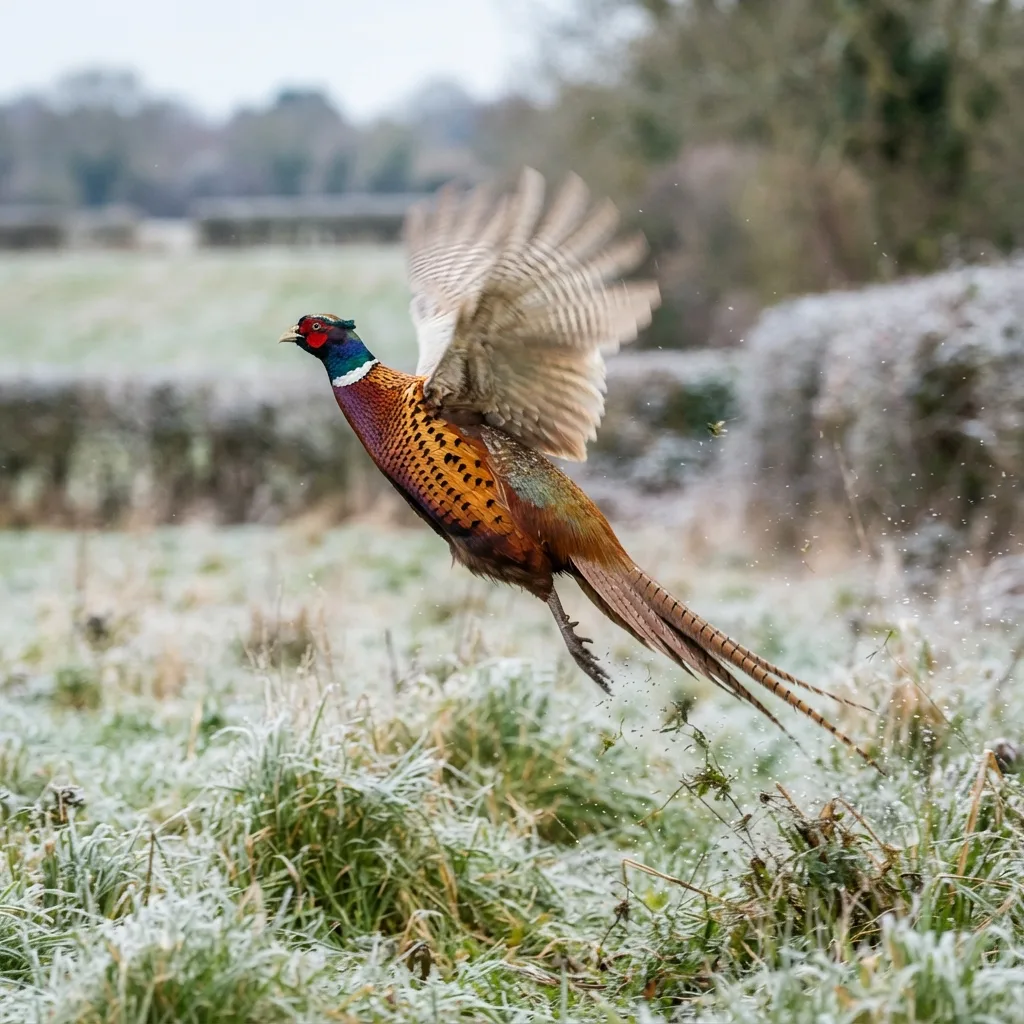
其他鸟类
A large, brightly colored landfowl
The common pheasant (Phasianus colchicus), also widely known as the ring-necked pheasant in North America, is a striking, large-bodied ground-dwelling bird belonging to the order Galliformes and family Phasianidae. Native to Asia and parts of the Caucasus, it is one of the world's most widely distributed and heavily hunted gamebirds, having been successfully introduced to Europe, North America, New Zealand, and other regions.
Physical Characteristics
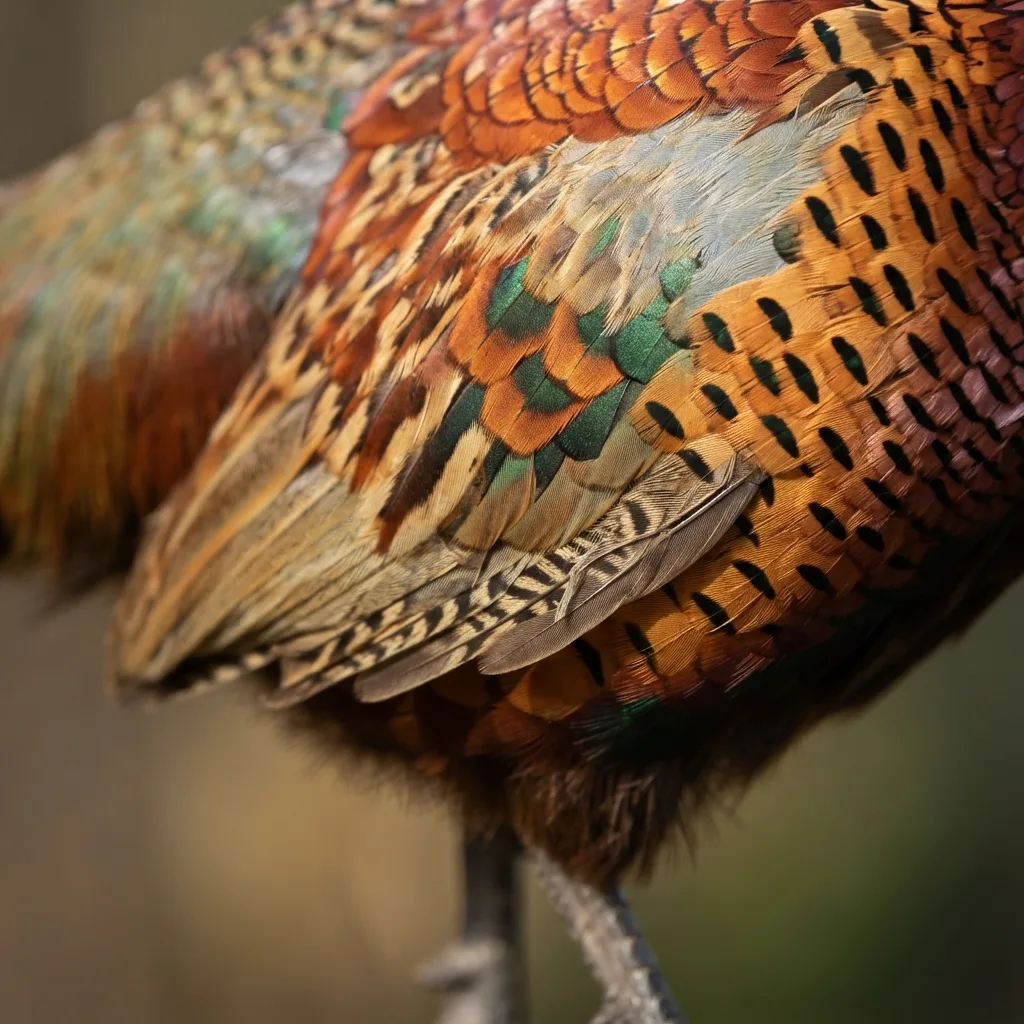
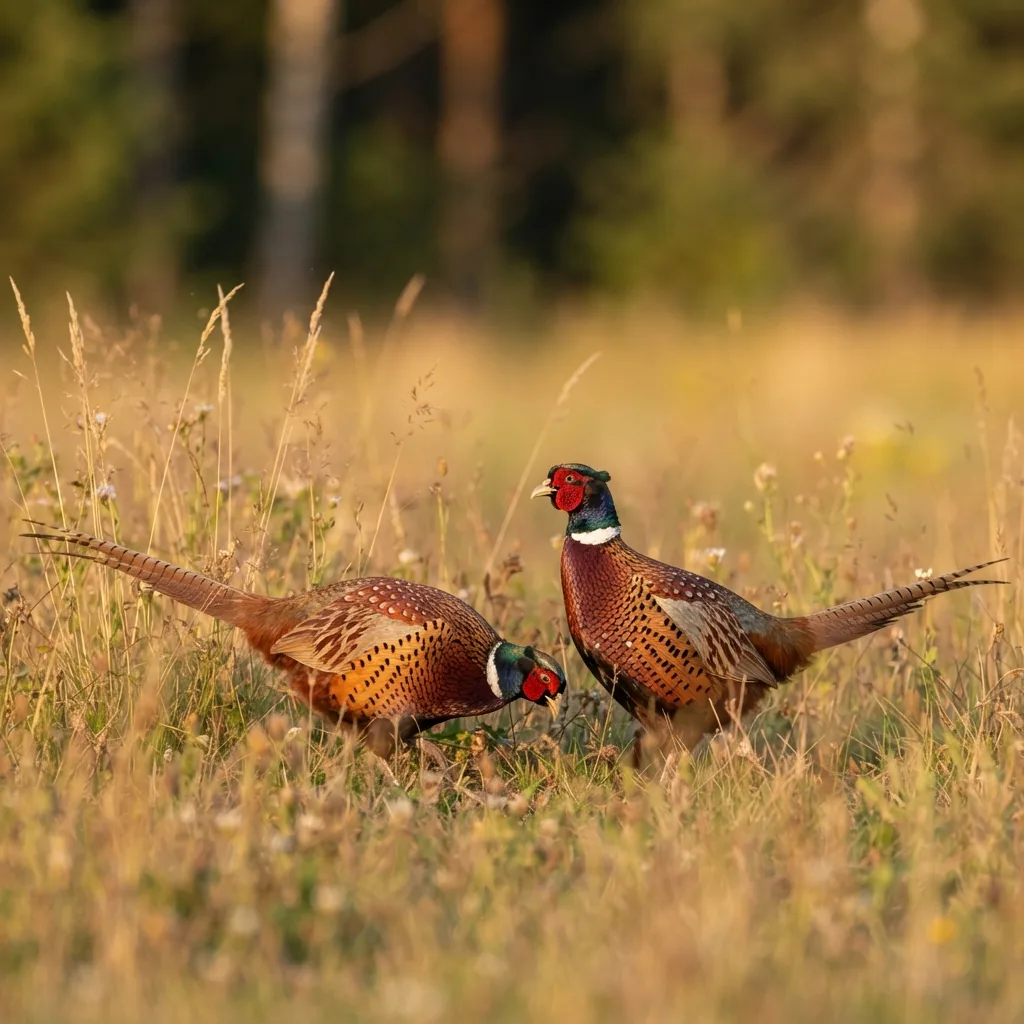
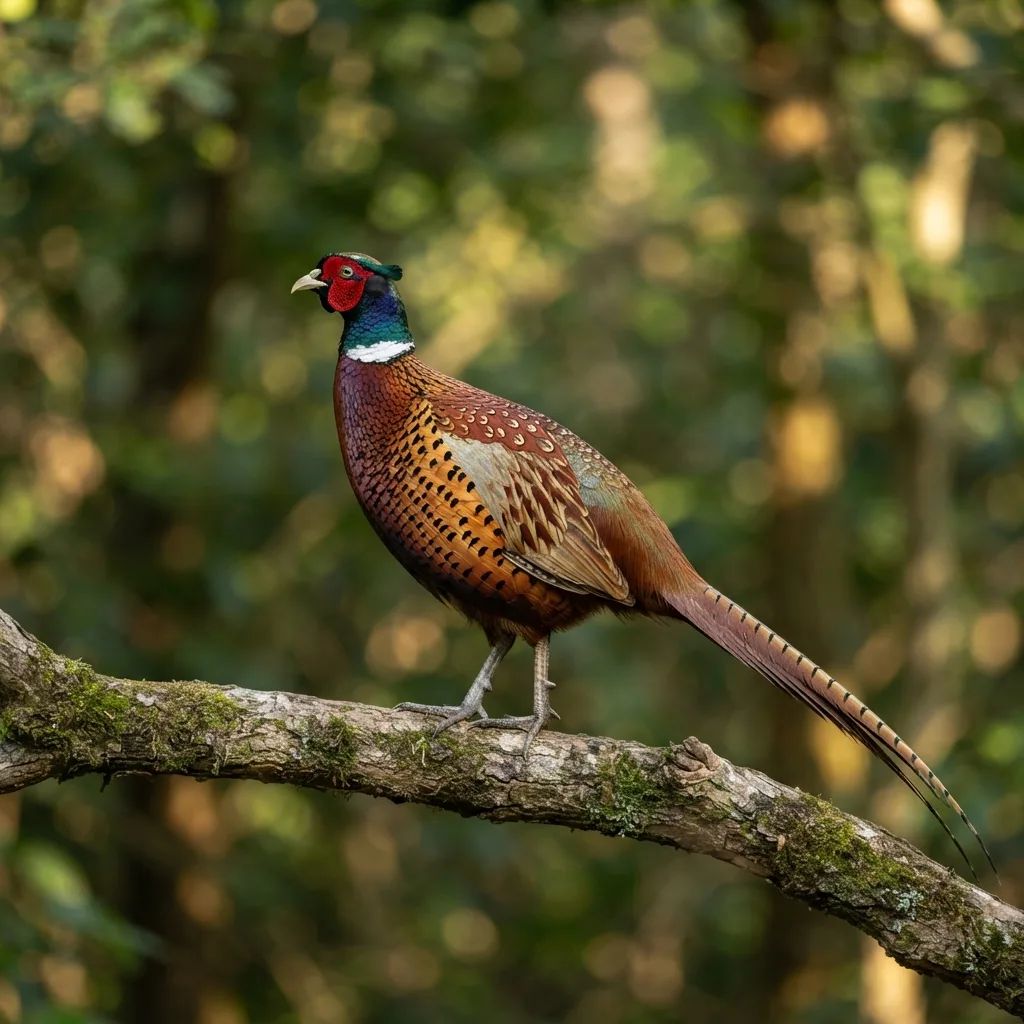
- Males (Cocks): Highly ornate and brightly colored, featuring an iridescent bottle-green or violet head, small ear tufts, bright red facial wattles, and a coppery-red to golden body with dark markings. Many subspecies also sport a distinct white neck ring. They possess an extremely long, tapered, cross-barred tail that can make up over half of their total length, alongside sharp leg spurs.
- Females (Hens): Considerably duller and more cryptic, exhibiting a mottled sandy-brown and buff plumage with black spots and bars designed to blend into ground vegetation during nesting. They also possess shorter tails than males.
- Size and Weight: Adults typically measure 53–89 cm (21–35 in) in length (including the lengthy tail) and weigh between 0.9 to 1.5 kg (2 to 3.3 lbs).
Habitat and Distribution
- Natural Range: Spans temperate Asia from the Caucasus Mountains and Turkey eastward across central Asia, China, and the Korean Peninsula to the Pacific coast.
- Introduced Range: Widely naturalized across the U.S. Fish & Wildlife Service managed farmlands in North America (especially the Midwest and Great Plains), parts of Europe, and New Zealand Birds Online tracked habitats in New Zealand.
- Preferred Environment: Thrive in semi-open habitats such as agricultural fields, brushy hedgerows, grassland verges, and woodland edges near a reliable source of water.
Behavior and Diet
- Locomotion: While capable of powerful, explosive short-distance vertical flushing and rapid flight (reaching speeds up to 60 mph when startled), they heavily prefer running on the ground through dense brush to escape predators.
- Social Structure: Generally gregarious outside the breeding season, forming loose single-sex flocks during winter. In spring, dominant males establish territories and manage harems of multiple females.
- Omnivorous Diet: Consume a diverse diet of seeds, grains, leaves, mast, and berries, alongside high-protein invertebrates like grasshoppers, caterpillars, ants, and beetles (crucial for developing chicks).
Conservation and Management
- IUCN Status: Evaluated as Least Concern globally due to massive populations and extensive commercial breeding/game farming.
- Ecological Impact: Intensive release programs for sport hunting—such as tens of millions released annually in the UK and millions harvested in states like South Dakota—can create wildly fluctuating seasonal populations and local resource competition or disease transmission risks for native ground-nesting birds.
- 分类
- 其他鸟类